 English
 русский

SEARCH
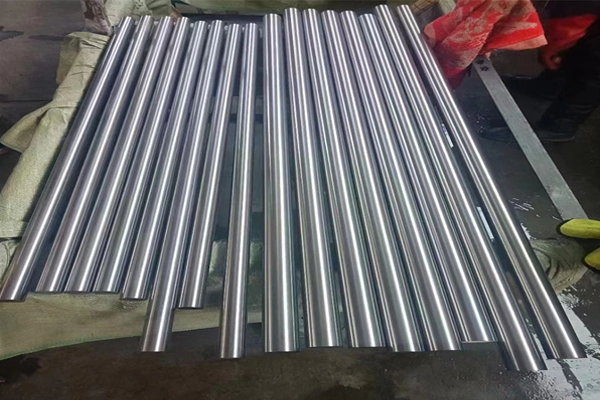
When sourcing titanium materials, choosing the right titanium rod suppliers can have a direct impact on product quality, lead times, certification compliance, and overall project costs. Whether you are purchasing for aerospace components, medical devices, chemical processing equipment, or precision machining applications, supplier selection is about much more than finding the lowest price.
Titanium rods are used in demanding environments where strength, corrosion resistance, and reliability are critical. As a result, procurement teams need a clear framework for evaluating suppliers and minimizing supply chain risks.
Many buyers focus on unit cost during the quotation stage. However, experienced procurement professionals understand that the true value of a supplier lies in consistency, technical capability, and long-term reliability.
A qualified titanium rod supplier should be able to provide:
Evaluation Factor | Why It Matters |
Material Certification | Ensures compliance with ASTM, AMS, or customer-specific requirements |
Grade Availability | Access to Grade 2, Grade 5 (Ti-6Al-4V), Grade 7, and other alloys |
Dimensional Accuracy | Reduces machining waste and production delays |
Inventory Capacity | Supports urgent orders and stable supply |
Traceability | Important for aerospace, medical, and critical industrial applications |
Quality Control | Minimizes risk of defects and rejected materials |
For manufacturers working with high-performance components, material inconsistency can lead to costly rework, production downtime, or even product failure. This makes supplier qualification a strategic purchasing decision rather than a simple procurement task.
Another important consideration is technical support. Reliable titanium rod suppliers understand the differences between titanium grades and can recommend the most suitable material based on operating conditions, mechanical requirements, and fabrication processes.
Not all suppliers offer the same level of expertise or manufacturing capability. Before placing an order, buyers should evaluate several key areas.
A supplier with in-house melting, forging, rolling, machining, or finishing capabilities often provides better control over product quality and delivery schedules. Vertical integration can also improve traceability throughout the production process.
Ask potential suppliers about:
· Available titanium grades
· Diameter and length ranges
· Custom machining services
· Surface finish options
· Heat treatment capabilities
· Inspection and testing procedures
Suppliers that support customized specifications can often reduce downstream processing costs for customers.
For industries such as aerospace and medical manufacturing, documentation is often as important as the material itself.
Reputable titanium rod suppliers should provide:
· Mill Test Certificates (MTC)
· Chemical composition reports of medical titanium rod
· Mechanical property reports
· Ultrasonic testing reports when required
· Full batch traceability records
International quality management certifications such as ISO 9001 can also demonstrate a supplier's commitment to standardized manufacturing processes.
Recent global supply chain disruptions have highlighted the importance of working with suppliers that maintain stable inventory and production capacity.
When evaluating suppliers, consider:
· Average lead times
· Inventory levels
· Export experience
· Packaging standards
· Logistics support
A supplier with established international shipping experience can help avoid customs delays and transportation issues, especially for overseas projects.
Different industries have unique requirements for titanium rods.
For example:
· Aerospace applications often require AMS-certified materials and strict traceability.
· Medical applications may require biocompatible titanium grades and enhanced surface quality.
· Chemical processing equipment prioritizes corrosion resistance and long service life.
· Industrial manufacturing may focus on machinability and cost efficiency.
Suppliers with experience in your specific market are more likely to understand technical requirements and documentation expectations.
Many successful manufacturers treat supplier relationships as strategic partnerships rather than transactional purchases.
Long-term cooperation offers several advantages:
· More predictable pricing
· Priority production scheduling
· Better communication during urgent projects
· Faster resolution of quality concerns
· Improved forecasting and inventory planning
Instead of frequently changing suppliers based solely on short-term pricing fluctuations, many procurement teams prioritize consistency and reliability. A trusted supplier can contribute to production efficiency and reduce total procurement risk over time.
For companies purchasing titanium rods regularly, conducting supplier audits and periodic performance reviews can help maintain quality standards while identifying opportunities for process improvements.
Selecting the right titanium rod suppliers involves evaluating far more than material pricing. Factors such as manufacturing capability, quality control systems, certification support, inventory availability, and industry experience all play a significant role in supply chain success.
By taking a strategic approach to supplier qualification, buyers can reduce procurement risks, improve product quality, and build reliable long-term partnerships. Whether sourcing titanium rods for aerospace, medical, chemical, or industrial applications, working with an experienced supplier helps ensure that materials consistently meet performance and compliance requirements.
As a professional titanium products manufacturer, Aulister supplies high-quality titanium rods in a wide range of grades and specifications, supported by strict quality control and complete material traceability. For buyers seeking reliable titanium rod suppliers with global supply capabilities and responsive technical support, Aulister can be a dependable long-term partner for demanding projects.
Most titanium rod suppliers provide commercially pure titanium grades such as Grade 1 and Grade 2, as well as titanium alloys like Grade 5 (Ti-6Al-4V), which is widely used in aerospace and industrial applications.
Request Mill Test Certificates, chemical composition reports, mechanical testing results, and traceability documentation. Reputable suppliers should provide these documents with each shipment.
Common certifications include ISO 9001 quality management certification and compliance with ASTM or AMS material standards, depending on the application.
Lead times vary based on grade, dimensions, inventory availability, and order quantity. Standard stock items may ship within days, while custom specifications may require several weeks.
Experienced titanium rod suppliers better understand industry-specific requirements, certification standards, and quality expectations, helping reduce procurement risks and project delays.