 English
 русский
SEARCH
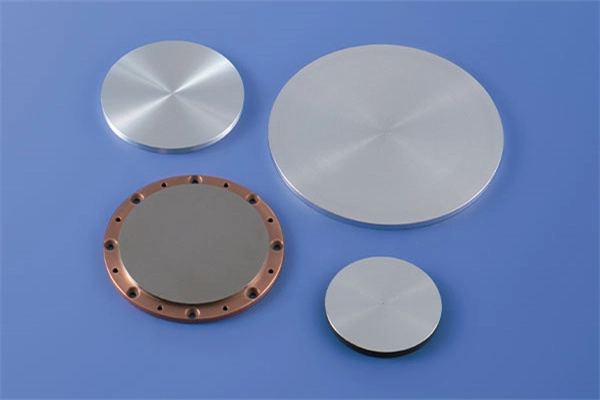
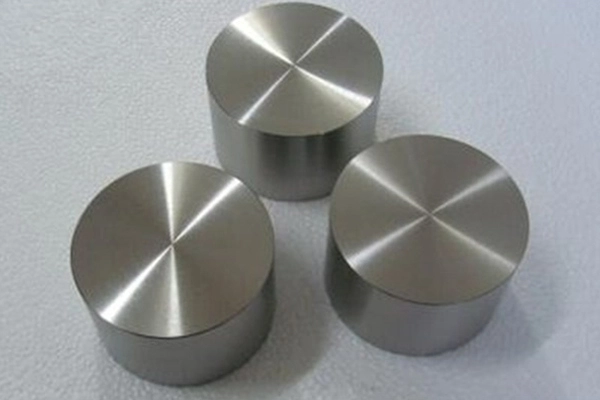
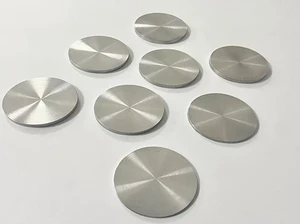
A 50/50 at% TiAl target refers to a sputtering target composed of titanium (Ti) and aluminum (Al) in a 50/50 atomic percent (at%) ratio. This means that, by count of atoms, 50% of the atoms in the target are titanium, and the other 50% are aluminum. This composition is significant in the field of thin-film coatings and various high-temperature applications due to the unique properties of the TiAl alloy.
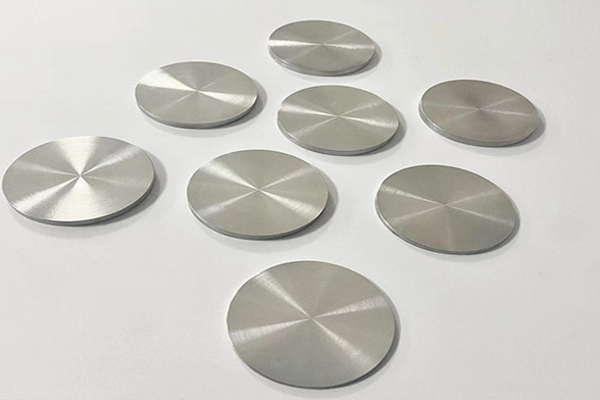
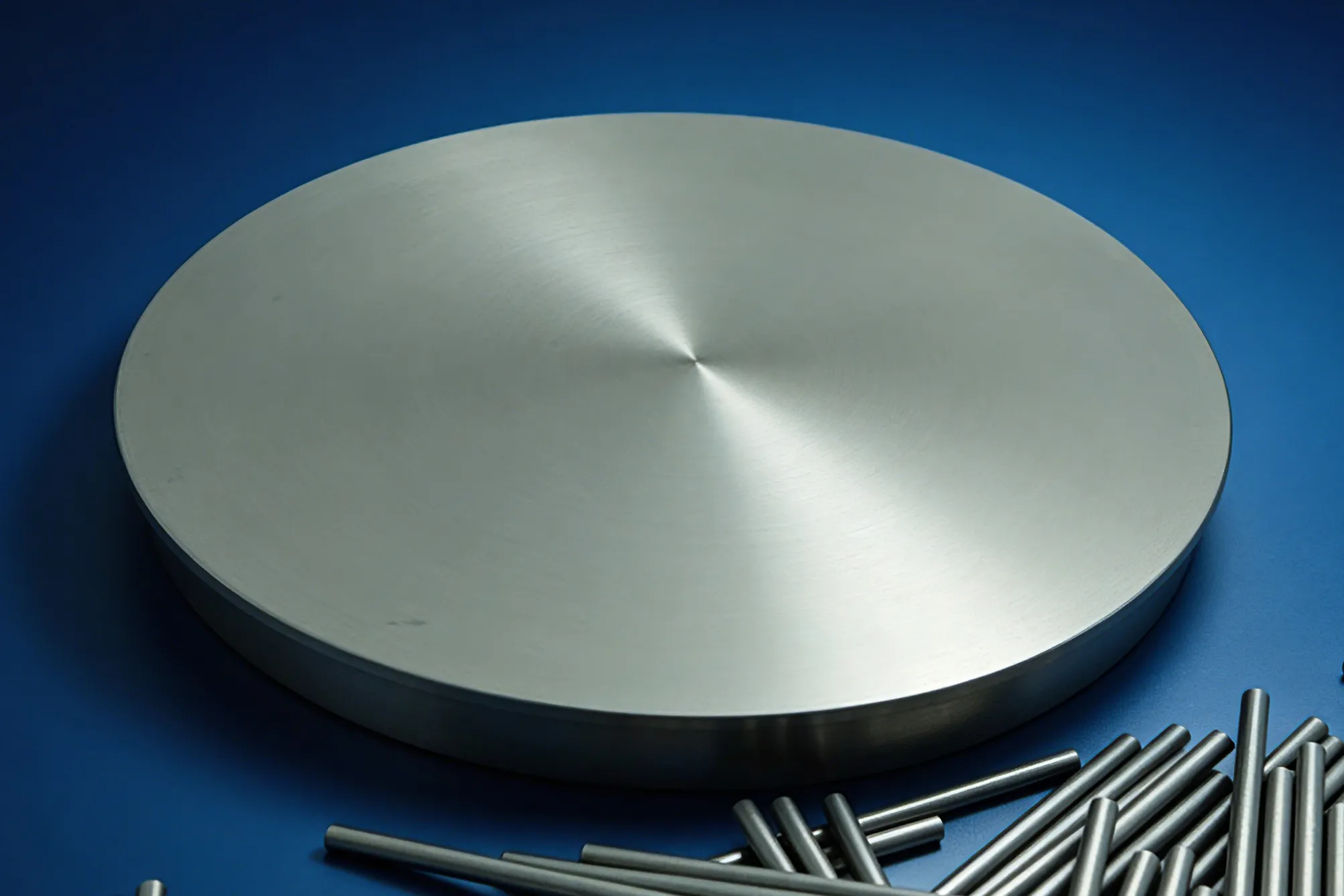
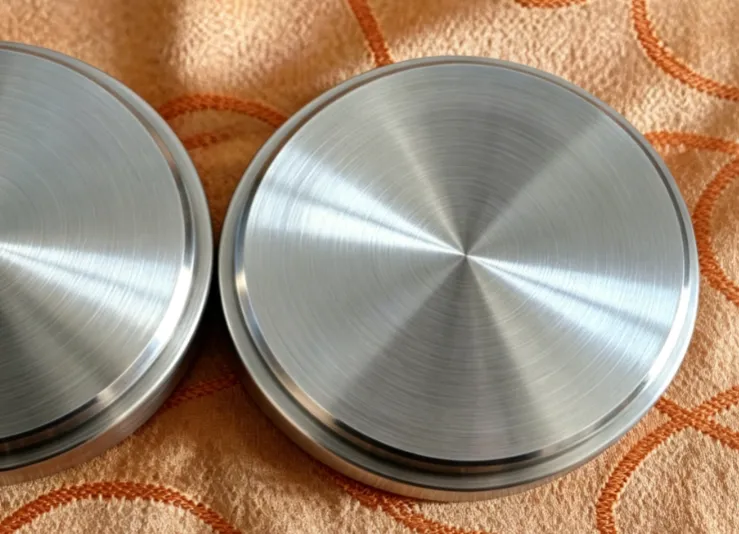
These three different alloy targets differ in composition, so there will be some differences in properties and applications.
1. Mechanical properties: 50/50 at% TiAl target has good mechanical properties, with high strength and hardness. The 70/30 at% TiAl target has high toughness and ductility and is suitable for applications that require high toughness. 80/20 at% TiAl target has high strength and hardness, but relatively low toughness.
2. Thermal stability: 50/50 at% TiAl target has good high temperature stability and can maintain good performance in high temperature environment. The high temperature stability of 70/30 at% TiAl target and 80/20 at% TiAl target is relatively poor.
3. Applications: 50/50 at% TiAl target is commonly used in high-temperature structural materials, aerospace and automotive engine components. The 70/30 at% TiAl target is commonly used for high temperature stress relaxation and creep applications. 80/20 at% TiAl target is commonly used in high temperature wear-resistant materials and turbine blades.
It is equally important to understand why the TiAl target is the preferred source for hard, oxidation-resistant coatings. During reactive sputtering in a nitrogen‑containing atmosphere, a 50/50 at% TiAl target enables the deposition of TiAlN – a coating widely adopted for cutting tools, injection molds, and turbocharger components. The equiatomic composition contributes to a good balance between hardness and toughness, helping TiAlN‑coated tools withstand high‑speed machining cycles and elevated temperatures. Beyond wear protection, the same TiAl target can be used to produce decorative films with distinctive metallic hues, and its lightweight nature supports applications in aerospace parts where weight reduction matters. For laboratories exploring new nitride or oxynitride systems, the reliable stoichiometry of a 50/50 at% TiAl target simplifies process development and reduces trial‑and‑error adjustments.
When sourcing a high-quality TiAl target, consistency in composition and grain structure directly affects sputtering performance and coating uniformity. Aulister manufactures 50/50 at% TiAl targets through advanced melting and powder metallurgy routes, ensuring batch-to-batch reliability for demanding PVD applications. Key advantages of our TiAl target include:
1.Compositional precision – The 50/50 at% atomic ratio is strictly controlled using high-purity Ti and Al feedstocks, delivering reproducible thin-film properties for both R&D and production environments.
2.Optimized microstructure – Thermomechanical processing yields fine, uniform grains, which reduce arcing and particle generation during magnetron sputtering, extending target service life.
3.Customizable dimensions – We support planar and rotary configurations in various diameters and lengths, compatible with standard and custom PVD chambers.
4.Rigorous quality inspection – Each TiAl target is evaluated for density, purity, and internal defects, with supporting documentation available upon request.
One of the most critical properties of 50/50 at% TiAl coatings is their ability to maintain structural integrity and mechanical properties at high temperatures. Aerospace components, particularly those in jet engines, are subjected to extreme temperatures during operation. TiAl coatings help these components withstand such conditions without degrading, thus ensuring reliability and longevity.
Weight is a crucial factor in aerospace design, with lighter materials preferred for enhanced fuel efficiency and performance. TiAl alloys, including 50/50 at% coatings, offer an outstanding strength-to-weight ratio. They provide the necessary mechanical strength without significantly adding to the weight of the component, a key advantage in aerospace applications.
PHONE
ADDRESS
Gaoya Village Industrial Park, Banyu Town, Baoji City, Shaanxi Province, China