 English
 русский

SEARCH
It is often said that the boundaries of artificial intelligence are defined by computing power, the boundaries of computing power by electricity, and the delivery of both electricity and computing power hinges heavily on metallic materials.
According to recent data released by the China Nonferrous Metals Industry Association, profits of China’s non‑ferrous metals industry surged 94 % year‑on‑year in the first half of the year. One core driving force lies in the continuously expanding demand for artificial intelligence. Metals closely tied to AI computing power are known as “computing‑power metals”. What are these metals? How do they underpin the foundation of AI computing power?
“Computing‑power metals” fall into two major categories.
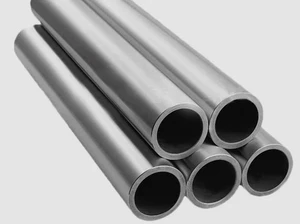
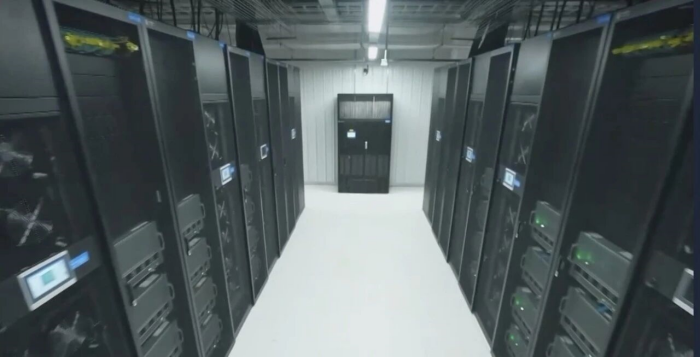
Copper and aluminium act as the “blood vessels” of data centres. They supply power to servers and dissipate heat for equipment. A standard server uses only several kilograms of copper, whereas an AI‑training super‑server consumes 15‑30 kilograms of copper — three to six times as much.
Industry forecasts suggest global copper consumption by data centres will reach 1.3 million tonnes by 2028, double the figure for 2026. Historically copper prices were largely driven by real‑estate and infrastructure construction; today AI and new‑energy sectors exert greater influence.
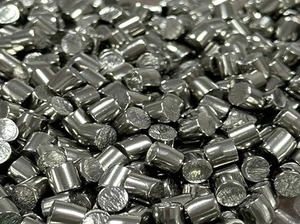
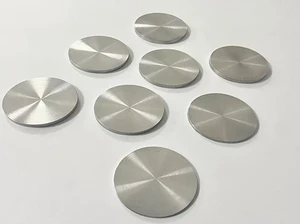
Though obscure‑named and consumed in far smaller quantities than copper and aluminium, these metals are irreplaceable in the AI‑computing‑power infrastructure.
Tin is used for soldering chips onto circuit boards. More advanced packaging technologies create greater reliance on tin.
Indium, germanium and gallium serve as core materials for optical‑communication and power‑management modules, enabling high‑speed data transmission and stable power supply.
Tantalum and cobalt are deployed in hard‑disk data storage and high‑performance chip manufacturing.
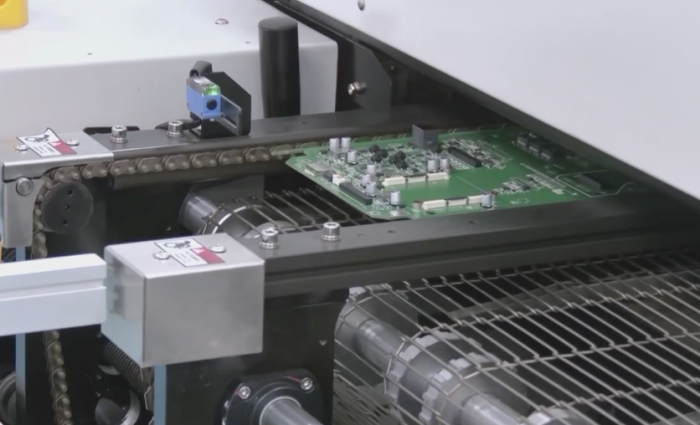
Driven by AI‑computing‑power demand, prices of these rare metals have risen sharply. Over half a year, tin prices climbed by roughly 40 %, indium by 60 %, and tantalum soared by 158 %. Higher prices underscore the strategic value of computing‑power metals while posing fresh challenges for downstream hardware manufacturing and computing‑power‑infrastructure development.
Advancement of the AI industry requires attention not only to chip R&D and breakthroughs in large‑model software, but also systematic, long‑term planning across the whole industrial chain. China holds unique strengths in this field:
Resources: China masters most of the world’s purification technologies for rare computing‑power metals, securing raw‑material supply.
Infrastructure: The East‑Data‑West‑Computing project effectively matches geographic distribution of computing‑power demand and power resources.
Ecosystem: The open‑source ecosystem for domestic large‑language‑models is thriving, shifting from technological catch‑up toward ecosystem leadership.
Application scenarios: Abundant industrial‑application scenarios provide the world’s largest test‑bed for AI deployment, accelerating technological iteration and feedback‑driven innovation.
Future competition in artificial intelligence will involve not only software development and algorithm innovation, but also hard‑strength factors including resource reserves, energy security and manufacturing capacity.
Faced with opportunities and cost pressures brought by surging demand for computing‑power metals, China should leverage its advantages in rare‑metal purification, computing‑power‑infrastructure construction and industrial‑application scenarios. It should also further improve the supply‑guarantee system for key mineral resources and promote upstream‑downstream industrial‑chain collaboration to build a solid foundation for the development of China’s artificial‑intelligence industry.