 English
 русский
SEARCH
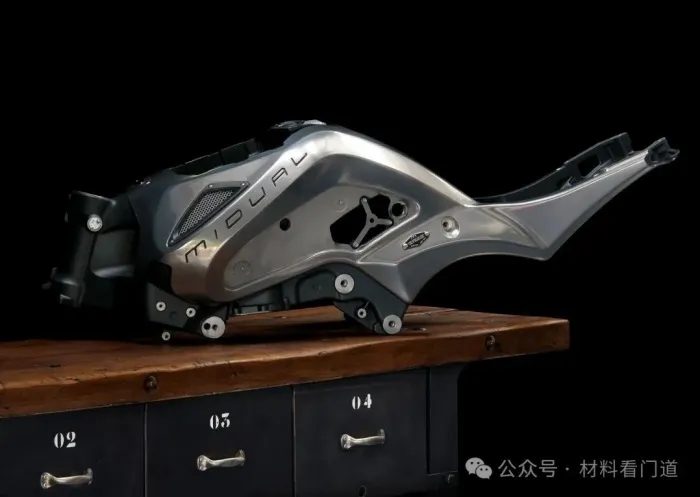
Titanium is often summed up in one simple phrase: “lightweight, high‑strength and corrosion‑resistant”.
This statement is not entirely wrong, yet it oversimplifies the material. When it comes to practical material selection and processing, more granular questions emerge: Are we dealing with commercially pure titanium or titanium alloy? TA2 or TC4? Is it intended for chemical heat exchangers or aerospace structural components? Will it bear loads at room temperature or withstand moderate‑temperature stress inside an engine? Without clarifying these points, merely stating that “titanium is an excellent material” carries little practical meaning.
When we discussed aluminum alloys previously, we emphasized a core concept: for materials within the same broad category, alloy system, microstructure, processing route and service environment ultimately determine their application. The same logic applies to titanium. Although grades such as TA1, TA2, TC4 and TC11 all contain titanium, they behave drastically different in engineering practice.
Here is a practical rule of thumb:
TA1 and TA2 grades are selected mainly for corrosion resistance and formability;
TC4 is valued for its balanced strength and proven service record;
TC11 excels in high‑temperature load‑bearing performance;
TB‑series alloys stand out for high strength, high elasticity and great potential achievable via heat treatment.
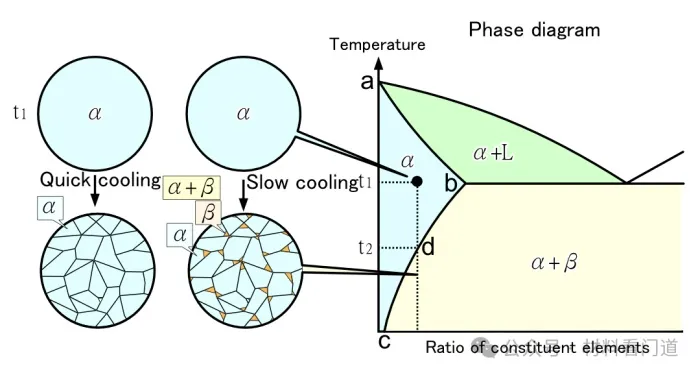
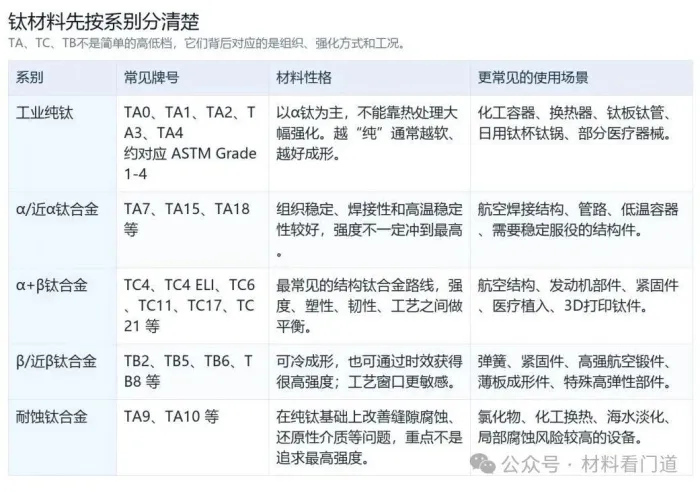
In mainstream Chinese titanium grade designations, the prefixes TA, TC and TB are not arbitrary labels. Broadly speaking:
Most TA grades refer to commercially pure titanium, alpha‑type or near‑alpha titanium alloys;
TC grades represent alpha‑beta titanium alloys;
TB grades denote beta‑type or near‑beta titanium alloys.
This classification does not create a rigid hierarchy of quality, but it highlights that each group solves distinct engineering challenges.
Commercially pure titanium shines in corrosion resistance, formability, weldability and biocompatibility. TC‑series alloys excel in structural strength and heat treatment performance with well‑established engineering track records. While TB‑series grades are less ubiquitous than TC4, they play a vital role in elastic components, high‑strength parts, cold forming of thin sheets and age‑hardening applications.
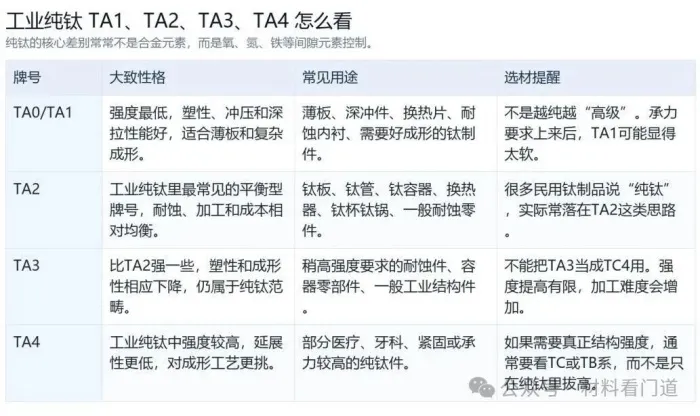
Many people new to titanium mistakenly assume “purer titanium means better performance”. This perception needs correction. The merits of commercially pure titanium lie not primarily in ultra‑high strength, but in outstanding corrosion resistance, good formability, reliable welding performance and stable behaviour in numerous media.
Differences among TA1, TA2, TA3 and TA4 stem largely from controlled levels of interstitial elements such as oxygen, nitrogen and iron. Higher interstitial content boosts strength at the cost of reduced ductility and formability. Consequently, higher‑purity titanium is not always ideal for load‑bearing applications; it may be softer and better suited for thin‑sheet forming.
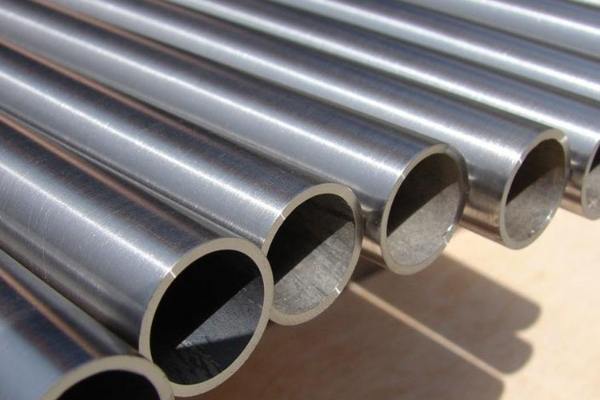
TA2 is widely used not for any special mystique, but for its well‑balanced properties. It is frequently specified for titanium plates, pipes, pressure vessels, consumer goods including titanium cups and cookware, and general‑purpose corrosion‑resistant chemical components. It does not pursue extreme strength like TC4, nor does it incur the higher cost of TA9 formulated for special corrosive environments.
Titanium resists corrosion in many environments thanks to a stable protective oxide film formed on its surface. Nevertheless, it is not immune to all chemical conditions. Chloride‑containing media, crevices, sediment deposits, reducing acids and elevated temperatures can all trigger corrosion risks.
This is where corrosion‑resistant alloys TA9 and TA10 deliver value. TA9 contains a small palladium addition, while TA10 adopts a titanium‑molybdenum‑nickel formulation. These grades are not designed for dramatic strength gains; instead, they provide greater safety margins in corrosive environments where standard commercially pure titanium proves insufficient.
Though less popular in public articles than TC4, they are widely deployed in chemical equipment. Slightly higher material costs for heat exchangers and reaction vessels are often acceptable, whereas consequences such as corrosion penetration, production shutdown, maintenance downtime and hazardous medium leakage incur far greater losses.
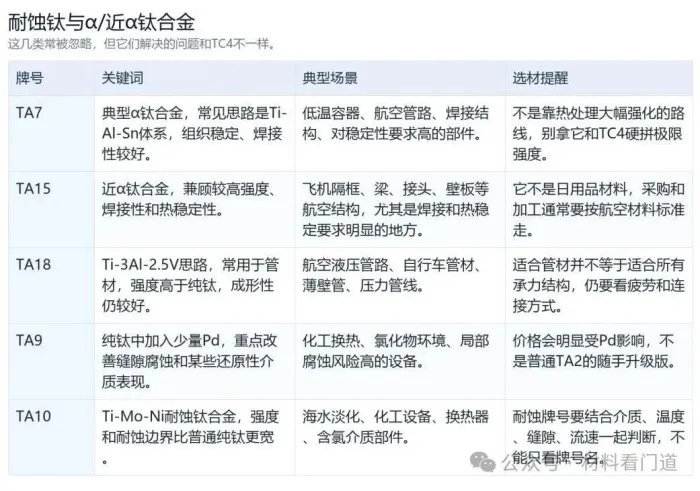
Focusing solely on TA2 and TC4 leaves a substantial gap in material knowledge. Grades TA7, TA15 and TA18 are less common in consumer products yet critical for aerospace components, piping systems, welded assemblies and thermally stable service conditions.
Alpha and near‑alpha titanium alloys feature stable microstructures, often with excellent weldability, high‑temperature stability or favourable low‑temperature properties. They may not achieve the highest room‑temperature tensile strength, yet engineering applications frequently demand long‑term reliability under defined temperatures and manufacturing constraints rather than outstanding performance in one single metric.
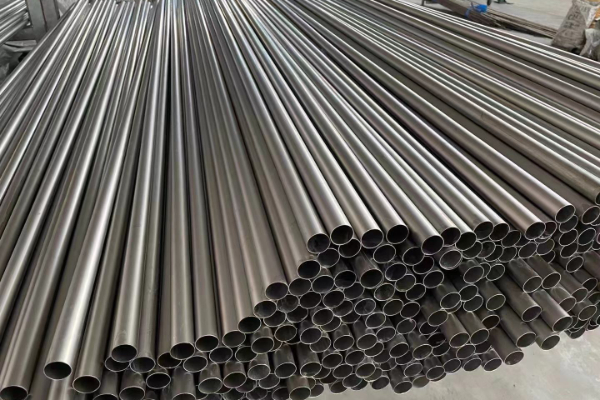
TA18 is well‑known for titanium alloy tubing used in bicycle frames. TA15 targets aerospace structures, striking a balance among strength, weldability and thermal stability. These grades do not compete to replace TC4; they fulfil different functional requirements.
No discussion of titanium alloys is complete without TC4, equivalent to the internationally renowned Ti‑6Al‑4V, one of the most representative alpha‑beta titanium alloys. Industries possess extensive accumulated experience regarding its processing, supply chain, inspection and application, making it the default grade in many inquiries.
Still, the TC‑series extends well beyond TC4. Early lower‑strength grades such as TC1, TC2 and TC3 remain relevant for legacy standards and older designs. TC6 serves medium‑to‑high‑strength structural parts. TC11 targets high‑temperature load‑bearing scenarios. TC17, TC18 and TC21 represent higher‑strength, higher‑toughness options for critical aerospace components.
Treating all TC‑series alloys as variants of TC4 obscures key engineering distinctions.
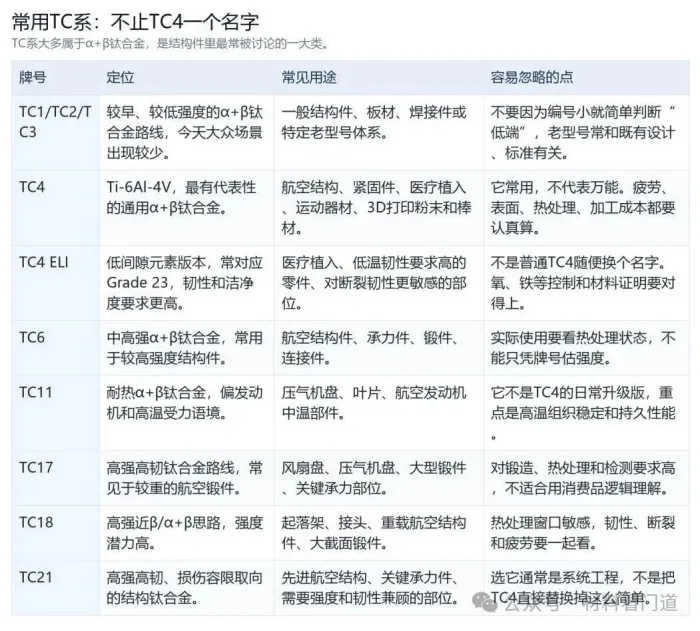
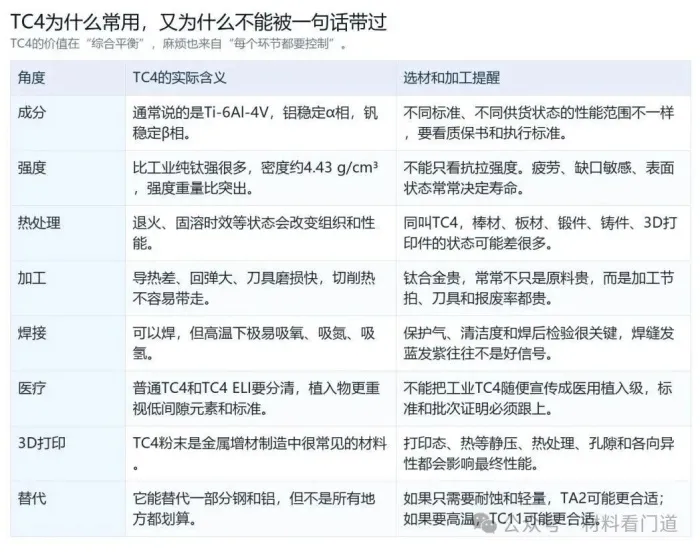
TC4 prevails not because it achieves peak performance in every property, but due to its excellent overall balance. Its strength greatly exceeds commercially pure titanium, while its density is just over half that of steel. It offers decent corrosion resistance and mature supply chains, with abundant practical experience for bars, sheets, forgings, powder feedstock and additively‑manufactured parts.
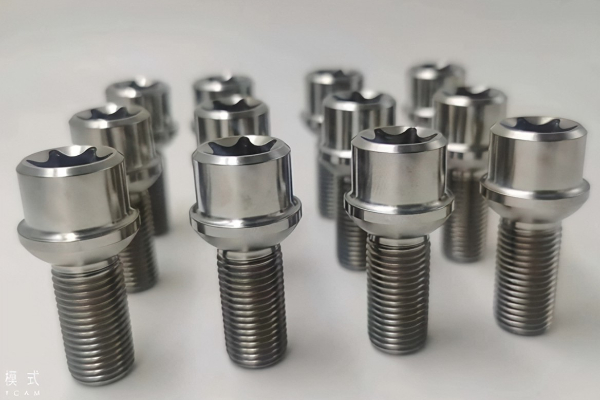
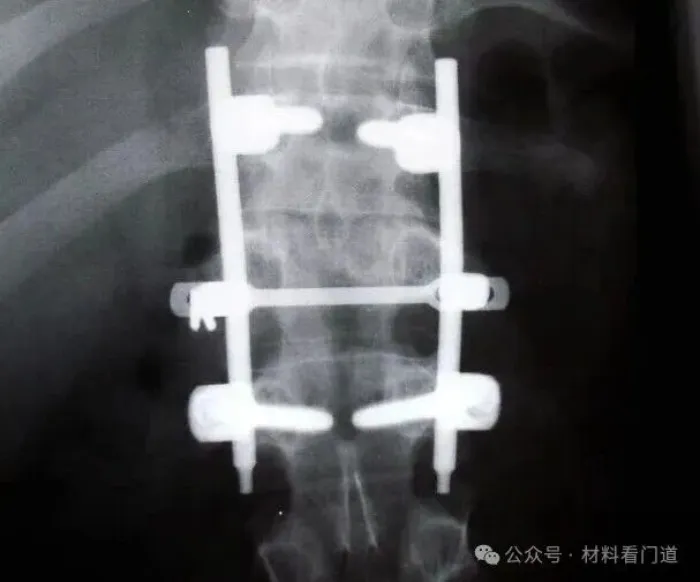
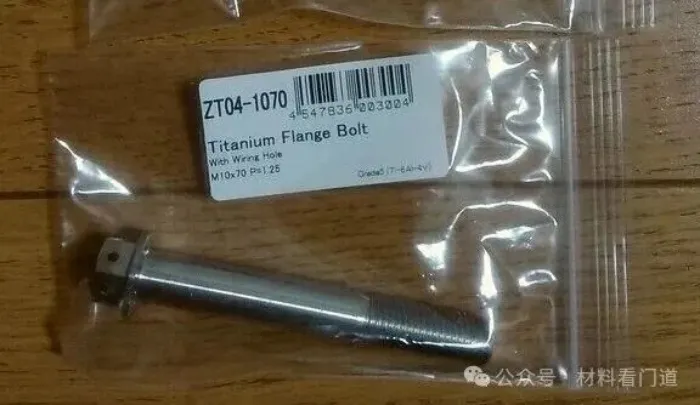
In aerospace, TC4 is used for structural elements, fasteners, joints and various load‑bearing components. Medical‑grade TC4 ELI is applied in implants. It is also heavily marketed in sporting goods, outdoor equipment and high‑end consumer products. Its reputation stems from solid engineering heritage rather than mere commercial promotion.
That said, TC4 presents processing challenges. Titanium alloys feature low thermal conductivity, leading to concentrated cutting heat and rapid tool wear. Its lower elastic modulus compared to steel causes significant spring‑back during machining. Welding requires strict protection against oxygen, nitrogen and hydrogen contamination. Fatigue performance is highly sensitive to surface finish, notches and residual stress. The high cost of titanium components comes not only from raw material prices but also processing, heat treatment, inspection and scrap expenses.
A frequent misconception: standard TC4 is not equivalent to TC4 ELI. The ELI (Extra Low Interstitial) variant restricts interstitial elements, specified for medical implants and applications requiring enhanced low‑temperature toughness. For implant manufacturing, the designation “TC4” alone is insufficient; relevant standards, chemical composition, mechanical properties, batch certificates and surface treatment must all be verified.
Less familiar to general audiences, TC11 finds major application in aero‑engine components. As a heat‑resistant alpha‑beta titanium alloy, its core requirement is maintaining strength, microstructural stability and fatigue life under elevated temperatures.
TC17, TC18 and TC21 are specified for even more demanding operating scenarios, associated with large‑size forgings, high strength‑toughness, damage tolerance, landing gear assemblies, engine disks and critical load‑bearing joints. At this performance level, material grade selection represents only the starting point. Forging, heat treatment, ultrasonic inspection, microstructure control and fatigue testing are all equally essential.
TC11 cannot be viewed as “a superior replacement for TC4 for all uses”. This is analogous to attempting to fabricate drinking cups from high‑speed tool steel. Advanced materials must always be matched to service conditions.
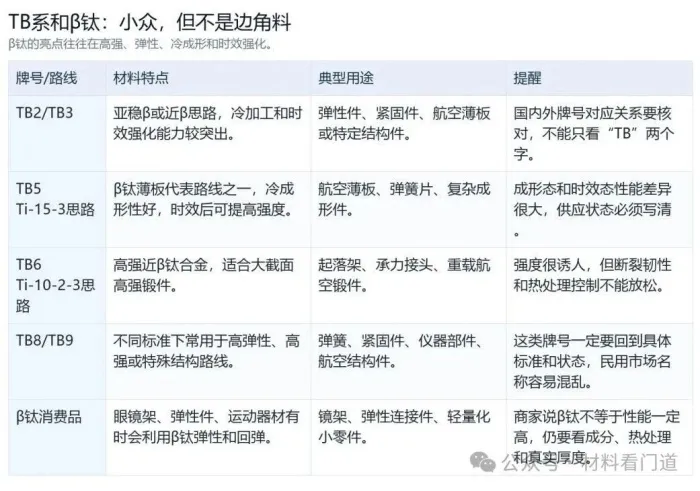
Seldom mentioned in consumer‑oriented content, TB‑series alloys are indispensable for professional material selection. Beta and near‑beta titanium alloys offer great flexibility through cold forming, solution treatment and ageing. They demonstrate good formability in the solution‑treated state and can attain high strength after ageing; some exhibit low elastic modulus and excellent spring‑back recovery.
The “beta titanium” seen in eyeglass frames leverages these elastic properties. Near‑beta titanium alloys are also used for high‑strength aerospace forgings and fasteners. Grades such as TB5, TB6 and TB8 must be evaluated against official standards, product delivery status and heat‑treatment specifications instead of relying solely on commercial marketing terms.
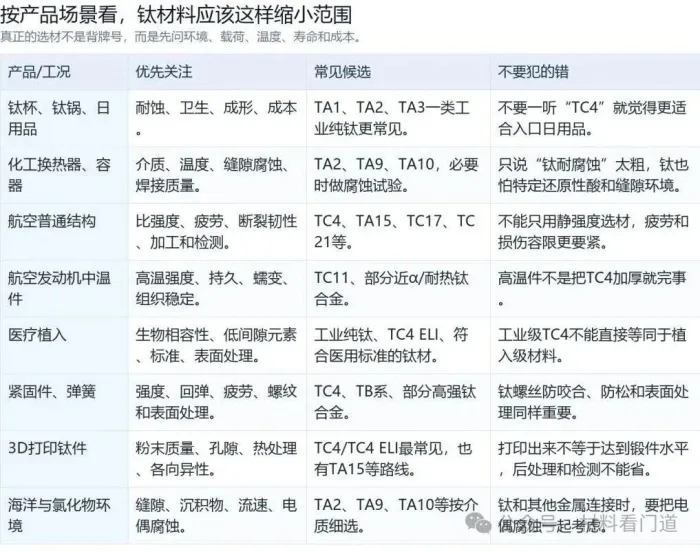
Titanium should never be glorified by oversimplified slogans: lightweight, strong, corrosion‑resistant, skin‑friendly or premium. Each claim contains partial truth yet omits critical context.
For titanium cups and cookware: commercially pure titanium is usually preferred for corrosion resistance, hygiene, formability and cost‑effectiveness.
For chemical equipment: consider process media, temperature, crevice corrosion risk and weldability.
For aerospace structures: evaluate fatigue performance, fracture toughness and damage tolerance.
For engine components: prioritise high‑temperature capabilities.
For medical implants: comply with medical standards and low‑interstitial requirements.
For additive manufacturing: account for powder quality, porosity, heat‑treatment and anisotropy.
1. Pure titanium is not the highest‑performance titanium material. Its advantages lie in corrosion resistance, formability and biocompatibility rather than ultimate strength. TA1 is softer than TA2, and TA2 is easier to machine than TC4.
2. TC4’s popularity does not mean it is universally applicable. TC4 may offer no advantage over TA2 for daily‑use titanium cups, nor is it always suitable for moderate‑temperature engine parts.
3. Do not trust marketing claims alone for medical titanium. Medical‑grade pure titanium, TC4 ELI, dental‑use titanium and orthopaedic implant titanium follow distinct standards and inspection requirements despite similar names.
4. Titanium is corrosion‑resistant but not immune to every medium. Crevices, temperature, chloride ions, reducing acids and galvanic corrosion can trigger degradation — this is why specialised corrosion‑resistant grades such as TA9 and TA10 exist.
5. High costs of titanium alloys are not driven by raw material cost alone. Machining, welding, heat treatment, non‑destructive testing, surface finishing and quality traceability all contribute to total expense.
Titanium represents a whole family of materials rather than a one‑size‑fits‑all solution.
TA1‑TA4: balance strength, ductility and corrosion resistance within commercially pure titanium grades;
TA7, TA15, TA18 (alpha / near‑alpha alloys): deliver stability, weldability and performance for specific aerospace structures;
TC4: the most mature, widely‑used general‑purpose titanium alloy;
TC11, TC17, TC18, TC21: engineered for extreme engineering operating conditions;
TB‑series: provide high strength, high elasticity and heat‑treatment‑tailorable properties.
True titanium specialists rarely open discussions by asking “which grade is best”. Instead, they first clarify: Where will it be applied? What loads will it bear? What is the operating temperature? What process media will it contact? Is welding required? Will additive manufacturing be used? What service life is expected? What cost constraints apply? Once these questions are answered, the distinctions between TA1, TA2, TC4, TC11 and other grades become self‑evident.
To conclude: The true value of titanium materials lies not in sharing the name “titanium”, but in assigning each grade to its appropriate application.