 English
 русский
SEARCH
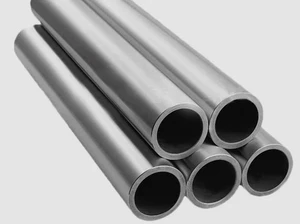
Across chemical processing, petroleum, offshore engineering, hydrometallurgy, and seawater desalination sectors, equipment operates continuously in highly corrosive media. The material selected for critical components directly shapes equipment service life, maintenance overhead, and overall operational safety. In recent years, a growing number of engineering firms and equipment manufacturers have adopted Grade 7 titanium (GR7 titanium alloy) as their preferred high-corrosion-resistance material for reactors, heat exchangers, storage tanks, piping, valves, and precision engineered parts.
What exactly is Grade 7 titanium? What allows it to stand out among dozens of metallic materials? And what key factors should procurement teams prioritize when sourcing GR7 products? This guide breaks down its material performance, real-world applications, and practical procurement recommendations.
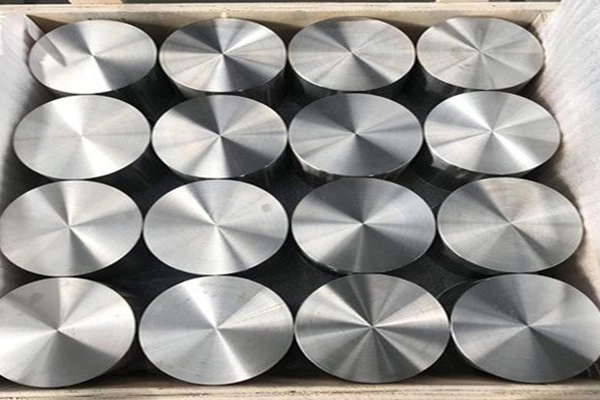
Grade 7 titanium, commonly shortened to GR7, is a corrosion-resistant titanium alloy developed from commercially pure Grade 2 titanium, enhanced with a 0.12% to 0.25% palladium (Pd) addition.
Though the palladium content is relatively modest, it delivers a dramatic improvement in corrosion resistance against reducing acid environments, establishing GR7 as one of the world’s most widely recognized high-performance corrosion-resistant titanium grades.
Unlike conventional stainless steels, Grade 7 titanium offers superior corrosion protection while retaining the core advantages of pure titanium: low density, high strength-to-weight ratio, non-magnetic properties, and excellent biocompatibility. This combination makes it ideal for industrial applications that demand uncompromising long-term reliability.
Titanium’s natural corrosion resistance stems from a thin, dense oxide film that forms spontaneously on its surface. This passive layer acts as a protective barrier, preventing corrosive media from penetrating and attacking the base metal.
However, in certain acidic environments — such as hydrochloric acid, sulfuric acid, and high-chloride solutions — this protective layer can break down or lose stability.
The small amount of palladium in Grade 7 titanium greatly enhances the electrochemical stability of the titanium surface, enabling faster self-repair of the oxide film when damaged. This self-healing capability drastically strengthens the material’s corrosion resistance in harsh operating conditions.
For equipment exposed to acidic solutions or seawater over extended periods, this performance upgrade translates to:
Extended equipment service life
Reduced ongoing maintenance costs
Minimized unplanned production downtime
Improved operational safety
While Grade 7 titanium carries a higher upfront purchase cost than Grade 2, it typically delivers a lower total cost of ownership over the full equipment lifecycle.
Many first-time titanium buyers ask: “If Grade 2 is more affordable, why choose Grade 7?”
In practice, the biggest difference between the two grades lies not in mechanical properties, but in corrosion resistance capability.
Grade 2 titanium performs reliably in most moderate corrosion environments, including seawater, weak acids, and mild chloride conditions.
Grade 7 titanium is the preferred choice for more demanding, high-corrosion conditions, including:
Hydrochloric acid processing equipment
Wet chlorine service environments
High-temperature pickling systems
Chemical reaction vessels
Flue gas desulfurization (FGD) systems
Seawater desalination plants
For equipment operating continuously in highly corrosive environments, selecting Grade 2 solely for its lower initial price can lead to premature corrosion failure, costly repairs, component replacement, and even full production shutdowns — all of which drive up total costs over time.
For this reason, Grade 7 titanium is increasingly specified as the standard material for long-service-life equipment in international engineering projects.
Thanks to its exceptional corrosion resistance, Grade 7 titanium is deployed across a wide range of industrial sectors.
Used in the fabrication of reaction kettles, heat exchangers, condensers, evaporators, storage tanks, and process piping systems.
Seawater contains high levels of chloride ions, which cause aggressive corrosion to most metallic materials. Grade 7 titanium maintains stable performance over decades of service, making it a standard material for large-scale seawater desalination facilities.
Suitable for heat exchange equipment and piping systems operating in high-salinity, highly corrosive downhole and process environments.
High corrosion-resistant materials are essential for flue gas desulfurization (FGD), waste acid recovery, and industrial wastewater treatment equipment.
Grade 7 titanium combines excellent corrosion resistance with high purity and cleanability, making it suitable for high-purity chemical and pharmaceutical manufacturing equipment.
For procurement teams, verifying the material grade alone is not enough. There are several critical factors to evaluate before placing an order.
1. Compliance with international standards Confirm that the supplier can manufacture products to relevant ASTM standards and provide full supporting certification documentation.
2. Availability of Mill Test Certificates (MTC) A complete, valid MTC should include:
Chemical composition analysis
Mechanical property test results
Heat treatment condition
Heat number / lot traceability number
Final inspection and test results
These documents serve as both a formal quality guarantee and a critical record for full product traceability throughout the supply chain.
3. Support for third-party independent inspection For large-scale engineering projects, buyers typically require inspection by accredited third-party bodies such as SGS, TÜV, or Bureau Veritas. A supplier’s willingness to support independent third-party testing reflects consistent confidence in their product quality.
4. Reliable and consistent delivery capability For time-bound engineering projects, delayed delivery often has a greater financial impact than a modest price increase. It is critical to assess a supplier’s inventory levels, production lead times, and historical on-time delivery track record.
A reliable supplier does more than just deliver materials — they help buyers mitigate procurement risks and support long-term project success.
When evaluating potential suppliers, focus on the following criteria:
Proven production experience with Grade 7 titanium semi-finished and finished products
A fully implemented, certified quality management system
Ability to provide complete, verifiable material test reports
Support for small-batch sample orders for qualification testing
Verified export experience to North America, Europe, Japan, and other regulated markets
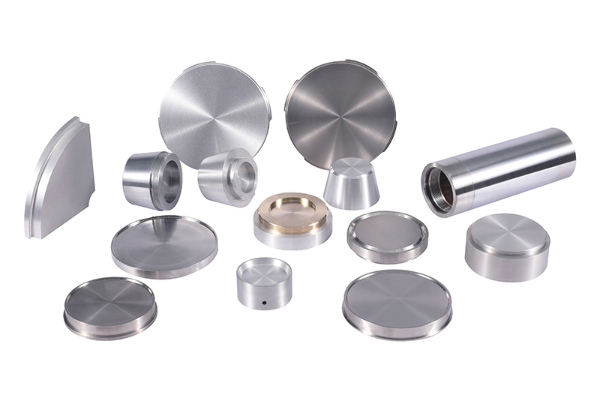
Custom machining capabilities based on customer drawings and specifications
A dedicated after-sales service and technical support team
Building a long-term, stable partnership with a qualified supplier delivers far greater value than one-off low-price purchases.
With its outstanding corrosion resistance, stable mechanical properties, and broad industrial applicability, Grade 7 titanium has become an essential material for the global chemical, offshore engineering, environmental protection, and energy sectors. For procurement professionals, choosing Grade 7 titanium is not just a material purchase — it is an investment in long-term equipment reliability and overall project integrity.
As global industrial standards continue to raise the bar for corrosion resistance and equipment service life, the application scope of Grade 7 titanium alloy will continue to expand. When making procurement decisions, businesses should look beyond upfront pricing and take a holistic view of material quality, standard compliance, testing capabilities, delivery reliability, and supplier technical support. Partnering with a trusted, experienced supplier is the most effective way to reduce procurement risk and achieve sustainable long-term value.