 English
 русский
SEARCH
Niobium rod and niobium bar are used in projects that require stable material performance, high melting point, corrosion resistance and reliable processing quality. For buyers in superconducting materials, electronics, research, aerospace-related projects and advanced industrial manufacturing, niobium is often selected when ordinary metals cannot meet the required performance.
As a special metal supplier, Aulister provides niobium rod and bar materials for industrial buyers who need customized diameter, length, purity, surface condition and project-based specifications. The right niobium material should be selected according to application, processing method, purity requirement and final component design.
Niobium is a refractory metal with good ductility, high melting point and stable chemical properties. These features make niobium rod and bar suitable for applications where material stability is more important than ordinary mechanical strength alone.
In many projects, buyers choose niobium because it can support advanced performance requirements such as superconducting-related use, electronic material preparation, special alloy production, high-temperature parts and precision machined components. Compared with common industrial metals, niobium is usually selected for more specialized projects where purity and material consistency matter.
For suppliers, the key is not only offering niobium material, but helping buyers confirm whether rod, bar, plate or another product form is more suitable. Rod and bar materials are commonly used when the final parts need turning, milling, cutting, drilling or further machining.
When purchasing niobium rod or niobium bar, buyers should not only ask for a price. The material purity, diameter, length, tolerance, surface condition and inspection documents all affect whether the material can be used smoothly in the final project.
For research and electronics-related applications, purity may be the most important factor. For machining projects, diameter tolerance and surface quality may be more important. For industrial components, buyers may care more about strength, workability, delivery stability and batch consistency.
| Selection Factor | What Buyers Should Confirm | Why It Matters |
|---|---|---|
| Purity | Confirm whether standard purity or high-purity niobium is required. | Important for electronics, research, superconducting and special alloy projects. |
| Diameter | Provide required rod or bar diameter and tolerance. | Affects machining allowance, component accuracy and material yield. |
| Length | Confirm fixed length, random length or cut-to-size requirement. | Helps reduce waste and improve processing efficiency. |
| Surface Condition | Confirm polished, ground, turned or standard surface condition. | May affect machining, cleanliness and final part quality. |
| Inspection Documents | Confirm material certificate, test report or project documents. | Supports quality traceability and purchasing approval. |
Niobium materials are well known in superconducting-related fields. In these applications, material purity, chemical stability and consistent quality are important. Niobium rod and bar can be further processed into parts or materials used in research, superconducting equipment, electronic components and advanced technology projects.
In electronics-related applications, niobium may be selected for its stable material behavior and special metal properties. Buyers in this field often pay close attention to purity, impurity control, surface finish and documentation. For this reason, niobium rod and bar supply should be handled with clear technical communication before ordering.
Aulister can support buyers who need niobium materials for research, electronics and advanced material preparation. If the project has specific purity, testing or surface requirements, buyers should provide those details at the inquiry stage so that the material can be confirmed correctly.
Besides superconducting and electronics fields, niobium rod and bar are also used in industrial projects that require corrosion resistance, high-temperature performance or special alloying properties. Common uses may include precision machined parts, high-performance components, laboratory parts, alloy additives and custom industrial materials.
Choosing the right product form is important. Niobium rod and bar are suitable for machining and turning. Niobium plate may be better for flat components or fabricated parts. Niobium wire may be used for smaller precision or specialty applications. Buyers should select the product form based on the final component design.
| Product Form | Typical Use | Buyer Selection Tip |
|---|---|---|
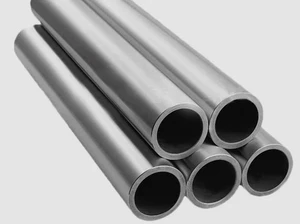
| Niobium Rod | Machined parts, pins, shafts, custom components | Suitable when the project requires turning, cutting or precision machining. |
| Niobium Bar | Industrial parts, research parts, alloy preparation | Useful for buyers needing larger or custom bar dimensions. |
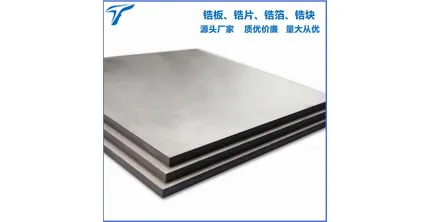
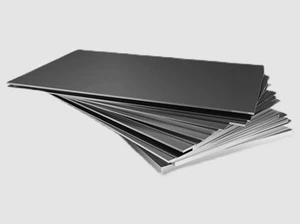
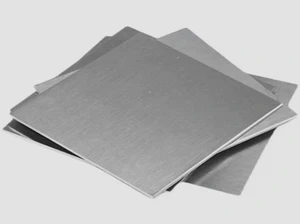
| Niobium Plate | Flat components, fabricated parts, special equipment | Better for parts requiring flat material or surface processing. |
| Niobium Wire | Specialty applications, small components, research use | Suitable for smaller diameter material requirements. |
In some projects, buyers may also compare niobium with titanium or other special metals according to weight, strength, corrosion resistance and processing needs. For example, if the project requires a small-diameter titanium material rather than niobium, Aulister also supplies 5mm titanium rod and other titanium rod specifications for machining and industrial applications.
For niobium rod and bar procurement, a reliable supplier should help buyers confirm the material specification instead of only providing a simple price. This is especially important for high-purity materials, research projects, electronics-related applications and custom industrial components.
Before requesting a quotation, buyers should prepare the required material name, purity, diameter, length, quantity, surface condition, tolerance, delivery destination and any testing documents. If the material will be machined into final parts, drawings or processing requirements can also help improve quotation accuracy.
Aulister supplies niobium rod and bar materials according to project requirements, including customized sizes, surface conditions and material documentation support. Our goal is to help industrial buyers reduce specification mistakes, improve communication efficiency and source suitable special metal materials for their applications.
| Information to Provide | Example Details | How It Helps |
|---|---|---|
| Material Requirement | Niobium rod, niobium bar, high-purity niobium | Helps confirm the correct product form and supply scope. |
| Size | Diameter, length, tolerance | Helps calculate production, cutting and quotation details. |
| Application | Superconducting, electronics, machining, research, industrial parts | Helps match material purity and surface requirements. |
| Quantity | Sample order, small batch or bulk supply | Helps confirm delivery plan and pricing structure. |
| Documents | Material certificate, test report, inspection requirement | Supports purchasing approval and quality traceability. |
Niobium rod and bar materials are valuable for superconducting, electronics and industrial applications because they offer stable special metal performance and good processing potential. For buyers, the most important step is to confirm the correct purity, size, surface condition and supplier capability before placing an order. Aulister can support niobium material sourcing based on your project requirements.
This is the first one.