 English
 русский

SEARCH
Heat exchangers and condensers work in conditions where tube materials are tested every day. Cooling water, seawater, chemical media, steam, temperature changes and long operating hours can all cause corrosion, scaling, leakage or early tube failure if the material is not suitable.
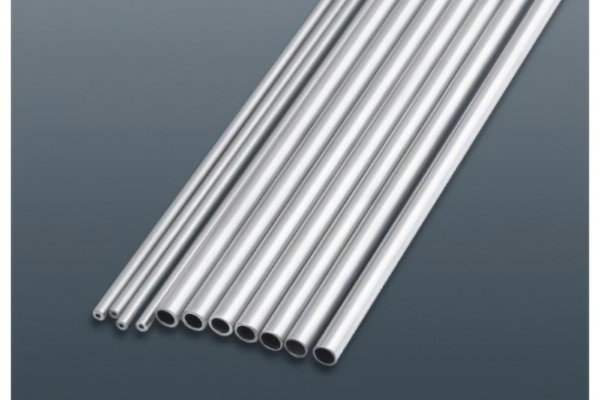
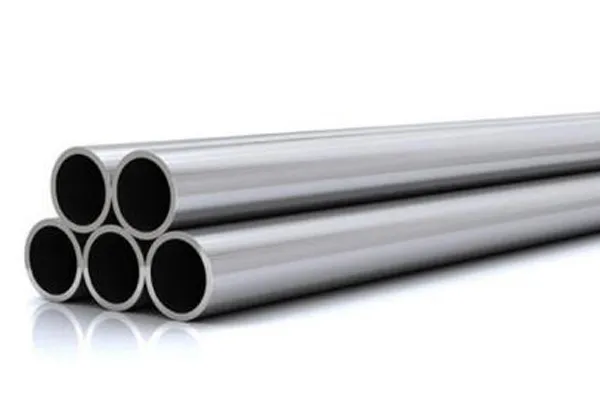
This is why many industrial buyers choose GR2 titanium tube for heat exchangers and condensers. Grade 2 titanium is commercially pure titanium with good corrosion resistance, weldability and formability. For equipment manufacturers, repair contractors and project buyers, it offers a practical balance between material performance, service life and fabrication flexibility.
In a heat exchanger or condenser, the tube is one of the most important working parts. It separates two fluids while allowing heat to transfer through the tube wall. If the tube corrodes, cracks, scales or leaks, the whole system may face shutdown, maintenance cost and safety risk.
Common tube materials such as stainless steel, copper alloy or carbon steel may work well in many normal environments. But when the system handles seawater, chloride-containing water, acidic solutions, chemical media or high-purity process fluids, ordinary materials may not provide enough long-term resistance.
GR2 titanium tube is often selected because titanium can form a stable protective oxide film on its surface. This gives it strong resistance to many corrosive environments. For buyers, the value is not only “the tube is corrosion resistant”, but also that the equipment can run longer with lower risk of tube replacement.
Condensers often use cooling water to turn vapor into liquid. In many power plants, chemical plants, desalination systems and marine systems, that cooling water may contain salts, chlorides or other corrosive elements. This makes material selection especially important.
As a Grade 2 titanium tube supplier, Aulister usually sees buyers focus on three main concerns: corrosion resistance, tube reliability and custom size availability. GR2 titanium fits these needs because it combines corrosion resistance with good workability.
| Buyer Concern | Why GR2 Titanium Tube Helps | Typical Project Value |
|---|---|---|
| Seawater or chloride corrosion | Grade 2 titanium has strong resistance in many chloride-containing environments. | Suitable for marine condensers, desalination systems and coastal plants. |
| Long service life | Good corrosion resistance helps reduce tube failure caused by corrosion and pitting. | Lower maintenance pressure and fewer unplanned shutdowns. |
| Fabrication needs | GR2 titanium has good formability and weldability compared with higher-strength titanium alloys. | Useful for tube sheet assembly, bending and equipment manufacturing. |
| Weight control | Titanium is lighter than many traditional industrial metals. | Helpful for compact systems, marine equipment and customized designs. |
| Stable heat transfer operation | Corrosion resistance helps keep tube surfaces cleaner and more stable over time. | Supports consistent condenser operation when the material is correctly selected. |
GR2 titanium tube is not only used in one industry. It is suitable for different equipment where corrosion resistance, stable material quality and tube customization are important.
In heat exchanger projects, buyers may use titanium tubes for shell-and-tube heat exchangers, evaporators, condensers and cooling systems. In desalination projects, titanium tubes are often considered because seawater can be aggressive to many common materials. In chemical processing, Grade 2 titanium tubes may be used where the process medium requires corrosion-resistant metal tubing.
| Application Area | Typical Equipment | Why Buyers Consider GR2 Titanium Tube |
|---|---|---|
| Power Generation | Condensers, cooling systems, heat exchangers | Good resistance to cooling water corrosion and stable long-term use. |
| Desalination | Seawater heat exchangers, evaporators, condensers | Suitable for chloride-containing and seawater-related environments. |
| Chemical Processing | Process heat exchangers, corrosion-resistant equipment | Useful where chemical media may attack ordinary metals. |
| Marine Equipment | Shipboard condensers, seawater cooling systems | Lightweight and corrosion-resistant material option for marine service. |
| Industrial Cooling | Custom cooling units and thermal systems | Supports customized tube sizes and project-based material selection. |
For heat exchangers and condensers, buying titanium tube is not only about price per kilogram. A small mistake in size, wall thickness, tolerance or standard can affect installation and equipment performance. That is why we recommend buyers confirm the technical details before ordering.
When sending an inquiry, it is better to provide the tube outer diameter, wall thickness, length, quantity, standard, surface condition and final equipment use. If the tube will be welded, expanded into a tube sheet, bent or machined, this should also be confirmed in advance.
| Item to Confirm | Why It Matters |
|---|---|
| Grade | Confirm whether Grade 2 titanium is suitable for the working environment. |
| Outer Diameter and Wall Thickness | These directly affect installation, pressure requirements and heat exchanger design. |
| Tube Length | Important for condenser layout, tube sheet design and packaging. |
| Standard | Buyers may request ASTM, ASME or project-specific standards. |
| Surface Condition | Surface quality can affect fabrication, cleanliness and equipment assembly. |
| Application Medium | Seawater, chemical media, steam or process fluid should be shared for material confirmation. |
As a titanium material supplier, Aulister can support buyers with project-based tube specifications. If drawings or previous tube specifications are available, they can help us confirm the material and quotation more efficiently.
Aulister supplies titanium materials for industrial equipment manufacturers, engineering projects and metal material buyers. For GR2 titanium tube, we focus on stable material quality, clear specification communication and customized supply support.
Many buyers do not just need a tube. They need the correct tube for their equipment. That includes the right grade, size, surface condition, tolerance, packaging and delivery plan. Our role as a supplier is to help buyers reduce material mismatch and make the purchasing process more direct.
For heat exchangers and condensers, we can help confirm whether Grade 2 titanium tube matches the required working environment and fabrication needs. Buyers can send outer diameter, wall thickness, length, quantity, standard and application details to receive a suitable quotation.
In short, GR2 titanium tube is used in heat exchangers and condensers because it offers corrosion resistance, fabrication performance and long-term reliability in demanding environments. For projects involving seawater, chloride media, chemical processing or industrial cooling systems, choosing the right titanium tube supplier can make the whole procurement process safer and more efficient.