 English
 русский

SEARCH
As gold and silver continue their upward trajectory in 2026, driven by Fed rate cut expectations, central bank buying sprees and lingering geopolitical tensions, many investors are turning their attention to other non-ferrous metals—specifically titanium, tantalum, niobium and zircon. While precious metals like gold and silver are renowned for their safe-haven appeal and inflation-hedging properties, these four specialty metals offer a distinct investment proposition rooted in industrial demand, strategic value and long-term growth drivers. The key question is: amid the precious metals rally, do titanium, tantalum, niobium and zircon deserve a place in your investment portfolio?
First, it’s critical to understand the fundamental difference between precious metals and these specialty nonferrous metals. Gold and silver’s price surges in recent months are largely fueled by macroeconomic factors: the Federal Reserve’s dovish pivot, with an expected 2-3 rate cuts in 2026, has lowered the opportunity cost of holding non-yielding assets like gold; global central banks have maintained aggressive gold purchases, with net buys exceeding 800 tons in 2025, providing a structural floor for prices; and ongoing geopolitical uncertainties in the Middle East and Eastern Europe have reinforced their safe-haven status. In contrast, titanium, tantalum, niobium and zircon are “industrial workhorses,” with their values closely tied to demand from high-growth sectors rather than speculative or hedging activity.
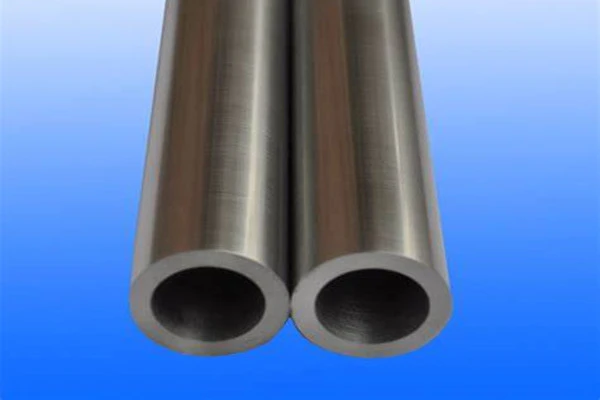
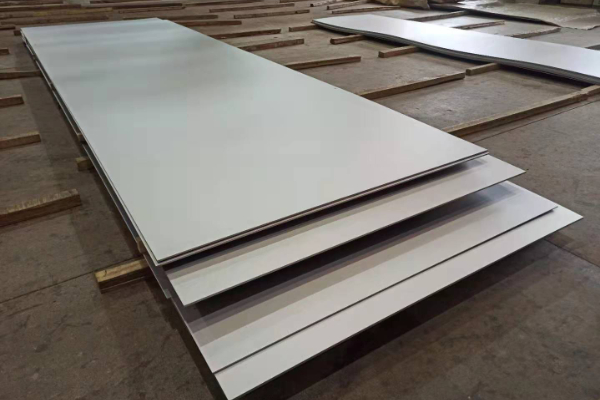
Titanium, for instance, is prized for its lightweight, high-strength and corrosion-resistant properties, making it indispensable in aerospace (where it accounts for over 40% of the structural weight of new-generation fighter jets), renewable energy (wind turbine blades, hydrogen storage) and medical devices. The global titanium market is poised for steady growth, with prices expected to rise moderately in 2026—sponge titanium is projected to trade between 47,000-50,000 RMB per ton, while high-end titanium alloys could see even stronger gains amid rising demand from China’s C919 large aircraft production and global aerospace recovery. Unlike gold, titanium’s growth is supported by tangible industrial needs, with a projected annual demand increase of 8%-10% in high-end sectors over the next five years.
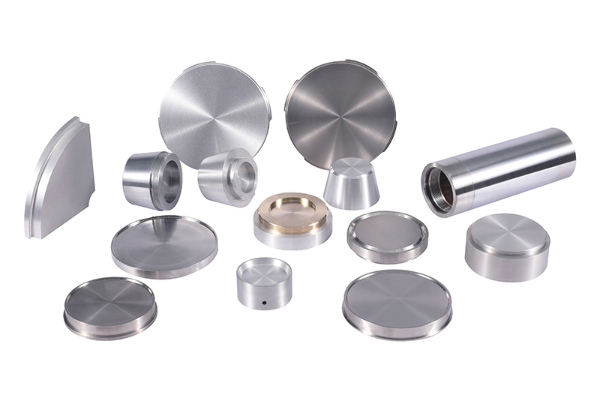
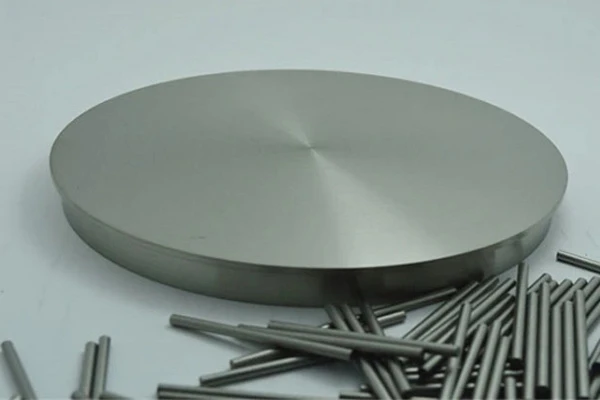
Tantalum, niobium and zircon share similar fundamentals, each with unique applications that underpin their long-term value. Tantalum is a critical component in electronics (capacitors for smartphones, laptops and electric vehicles) and medical implants, benefiting from the global digital transformation and aging populations. Niobium, with its superconducting and high-temperature resistance, is essential for nuclear energy, high-strength steel production and advanced manufacturing—demand is expected to surge as global nuclear power restarts and infrastructure investments pick up. Zircon, meanwhile, is widely used in ceramics, refractories and nuclear fuel cladding, with its supply highly concentrated in Australia and South Africa, creating potential supply tightness as demand from emerging economies grows.
Another key advantage of these specialty metals is their strategic status. Governments worldwide, including the U.S., EU and China, have classified titanium, tantalum, niobium and zircon as “critical minerals,” prioritizing their supply security through strategic reserves and policy support. This designation reduces long-term supply risks and provides a degree of price stability, even amid broader market volatility—unlike gold and silver, which are more susceptible to short-term macroeconomic shocks and speculative swings. For example, China’s “14th Five-Year Plan” explicitly targets breakthroughs in titanium, niobium and zircon production technologies, while the EU’s Critical Raw Materials Action Plan aims to reduce reliance on imports, creating favorable policy tailwinds for these metals.
However, investing in titanium, tantalum, niobium and zircon is not without risks—risks that differ significantly from those associated with gold and silver. Unlike precious metals, which are highly liquid and easy to trade, these specialty metals are often traded through industrial contracts or equity investments (e.g., mining or processing companies), with lower liquidity and higher transaction costs. Their prices are also vulnerable to industrial demand fluctuations: a slowdown in global manufacturing, aerospace or renewable energy could weigh on prices, as seen in the recent volatility of the non-ferrous metals sector index in early 2026. Additionally, supply constraints—such as titanium ore import dependence (over 60% in China) and niobium’s near-monopoly by Brazil’s CBMM—can create price volatility, while new capacity releases could trigger short-term corrections of 10%-15% in titanium prices.
So, should you invest in these metals while gold and silver are rising? The answer depends on your investment goals and risk tolerance. If you’re seeking short-term gains or a pure safe-haven asset, gold and silver remain more suitable, as their rally is likely to continue in the first half of 2026 amid favorable macro conditions. But if you’re building a long-term, diversified portfolio focused on growth, titanium, tantalum, niobium and zircon offer compelling value. Their ties to high-growth sectors like aerospace, renewable energy and advanced manufacturing, combined with their strategic importance and limited supply, position them well for sustained gains over the next 5-10 years—gains that may outpace those of precious metals as the global economy shifts toward innovation and decarbonization.
In conclusion, titanium, tantalum, niobium and zircon are not direct substitutes for gold and silver, but rather complementary additions to a well-diversified investment portfolio. While precious metals shine in times of uncertainty, these specialty non-ferrous metals offer exposure to long-term industrial growth and strategic value. As gold and silver continue their upward march, investors would be wise to look beyond the precious metals rally and consider theuntapped potential of these underappreciated industrial metals—assets that could deliver substantial returns as the world embraces a more advanced, sustainable future.