 English
 русский
SEARCH
Titanium plates help bones heal, but many patients wonder about removing them later. Some plates stay for life while others need removal for medical reasons. Understanding when to keep or remove these implants prevents unnecessary surgeries.
Titanium plates can be removed safely but often don't need removal unless problems arise. Most stay permanently unless causing discomfort or interfering with bone growth in children. We supply materials that balance strength with biocompatibility for long-term implantation.
Patients should consider both benefits and risks before deciding on removal surgery. The choice depends on age, health condition, and personal preferences after discussing options with orthopedic specialists.

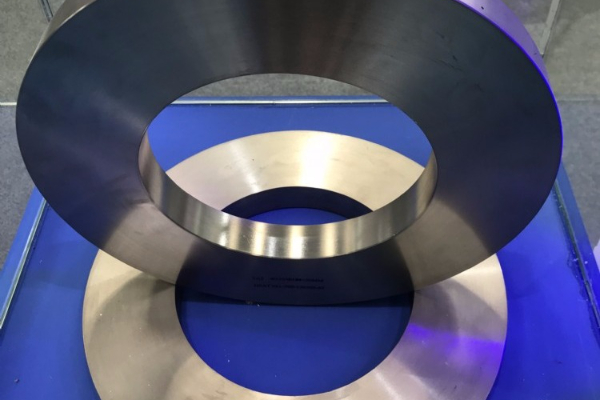
The titanium plate stabilizes broken bones during healing. Unlike steel, titanium integrates well with human tissue without causing reactions. The metal's strength supports fractures while being lightweight enough for comfortable movement.
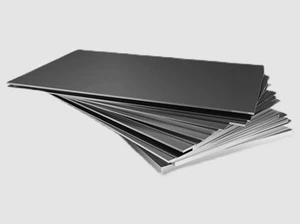
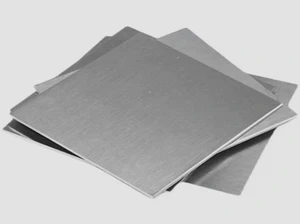
Surgeons prefer titanium plates because they allow CT and MRI scans without interference. Other metals often create imaging artifacts. At Aulister, we produce medical-grade titanium plates that meet ASTM F136 standards for surgical implants.
Scenario | Typical Duration |
Adult fractures | Often permanent |
Pediatric cases | Usually removed |
Facial reconstruction | Varies by case |
Spinal surgeries | Commonly permanent |
Most adult plates remain indefinitely if no problems occur. Children's plates frequently require removal because growing bones need space to develop properly. Bone remodeling can also gradually bury plates under new bone growth.
Healed bones typically incorporate titanium plates without issues. The body forms a protective fibrous layer around the metal. Our titanium plate production process ensures smooth surfaces to minimize soft tissue irritation. Case studies show plates lasting decades without removal. However, some patients report occasional discomfort during weather changes or pressure on the implant site.
Infections: Rare but serious (1-3% of cases)
Allergic reactions: Extremely uncommon with modern titanium
Plate failure: Breakage or screw loosening
Pain or discomfort: About 5-10% of patients request removal
Our surgical-grade titanium plates minimize these risks through advanced manufacturing techniques. When removal becomes necessary, surgeons report easier extraction compared to stainless steel alternatives.
Children's bones constantly remodel and grow around plates. Leaving implants in place too long might:
Restrict normal bone development
Cause abnormal curvature
Create uneven growth patterns
Orthopedic teams often schedule planned removal 12-24 months post-surgery in pediatric cases after confirming complete healing.
Some adults choose removal for:
Psychological comfort ("foreign body" feeling)
Occupational requirements (athletes, military personnel)
Easier future medical imaging
Concern about long-term metal exposure
However, unnecessary removal surgeries carry risks like:
Infection (1-2% chance)
Nerve damage
Re-fracture during plate removal
Additional recovery time
Titanium plates serve as reliable bone supports that often remain safely in place for life. Removal becomes necessary primarily for medical complications or childhood growth considerations. Patients should consult their surgeons to weigh individual factors before deciding on plate removal.
This is the first one.