 English
 русский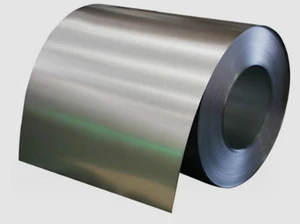


SEARCH
Many engineers confuse tantalum and titanium when specifying materials. The choice impacts cost, performance, and equipment lifespan. Understanding their differences prevents expensive mistakes in critical applications.
Titanium offers exceptional strength-to-weight ratio while tantalum provides superior chemical resistance. As leading titanium pipe and tantalum pipe suppliers, we help clients select the right metal for each application. The decision depends on operating conditions and budget constraints.
This guide explains when these metals work together and when they absolutely shouldn’t. We’ll draw from our experience supplying both materials to chemical plants, aerospace manufacturers, and medical device companies worldwide.
Titanium shares more characteristics with aluminum than with tantalum. It’s lightweight and moderately abundant, accounting for about 0.6% of Earth’s crust. Tantalum is nearly 100 times rarer, making it significantly more expensive.
During production, we refine titanium from rutile or ilmenite sands through complex electrochemical processes. Tantalum comes primarily from columbite-tantalite ores in limited geographic regions, creating supply chain vulnerabilities. Each metal requires completely different refining techniques.
Characteristic | Titanium | Tantalum |
Melting Point | 1668°C | 3017°C |
Density | 4.506 g/cm³ | 16.654 g/cm³ |
Yield Strength | 140-1100 MPa | 330-550 MPa |
Corrosion Resistance | Excellent in seawater | Unmatched in acids |
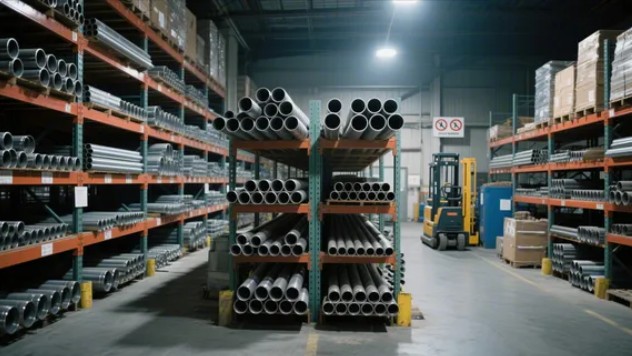
Titanium pipes work perfectly in marine environments where weight matters. Tantalum pipes become essential when handling boiling sulfuric or hydrochloric acid. Their corrosion mechanisms differ fundamentally at atomic level.
Both metals transform into similar product forms but serve different markets:
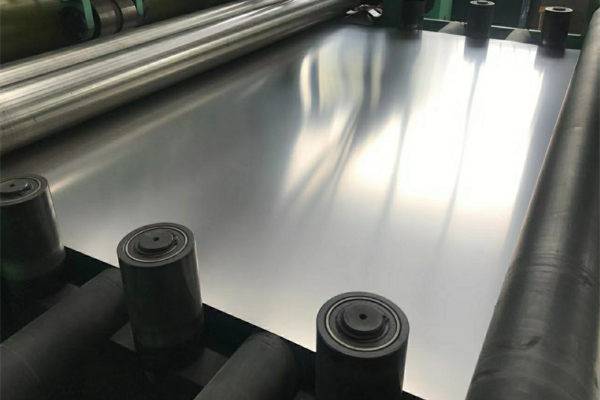
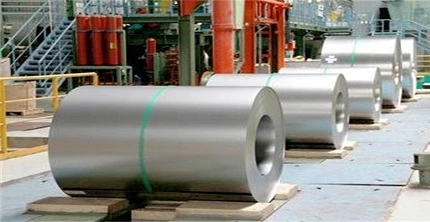
Sheets: Titanium for aerospace skins, tantalum for chemical linings
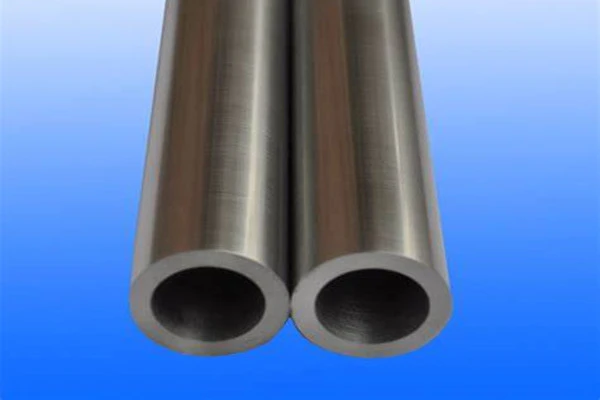
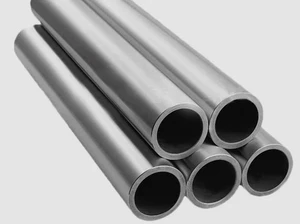
Pipes: Titanium for seawater cooling, tantalum for acid transfer
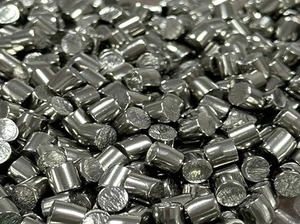
Powders: Titanium for 3D printing, tantalum for capacitors
We manufacture titanium pipes in various grades depending on chloride content exposure. Tantalum pipes require specialized welding techniques due to their extreme purity requirements in semiconductor applications.
Titanium makes economic sense when:
The environment contains chlorides or alkalis
Weight reduction provides operational benefits
Budget constraints prohibit tantalum
We recently helped a desalination plant replace expensive tantalum components with titanium pipes where only seawater was present. The switch saved $300,000 annually with zero performance loss.
Tantalum remains irreplaceable for:
Hydrofluoric acid processing
High-temperature sulfuric acid reactions
Medical implants requiring bone integration
In semiconductor manufacturing, tantalum’s ability to handle plasma environments makes it indispensable. No titanium alloy can match its performance in:
Chemical vapor deposition chambers
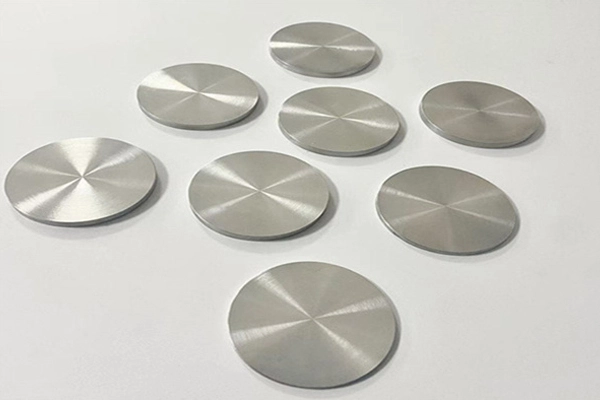
Sputtering target applications
Wafer processing equipment
A client using titanium pipes in hydrochloric acid service experienced complete failure within three months. After switching to tantalum pipes, the equipment lasted seven years before requiring maintenance. The upfront cost difference paid for itself in six months.
Current research focuses on titanium-tantalum alloys for:
Biomedical implants needing both strength and osseointegration
Aerospace components requiring weight savings and heat resistance
Chemical processing equipment facing mixed environments
These specialized alloys still cost significantly more than standard titanium pipes. For most industrial applications, separate materials work better than attempting hybrid solutions.
While both metals belong to the refractory metals category, titanium and tantalum serve fundamentally different purposes. Titanium pipes excel in marine and aerospace applications where weight matters. Tantalum pipes become essential for harsh chemical processing where failure isn’t an option.
At Aulister, we help clients navigate this decision with real-world data from similar applications. The right choice depends on your specific operating conditions and performance requirements.