 English
 русский
SEARCH
Nickel plating provides excellent corrosion resistance and a brilliant finish, but proper maintenance is crucial to preserve its appearance and protective qualities. Whether it's industrial equipment or decorative items, cleaning nickel-plated surfaces requires the right approach to avoid damage.
Regular cleaning with mild, non-abrasive cleaners effectively maintains nickel plating's shine and protective properties. Special care should be taken to avoid scratching the surface or using harsh chemicals that can degrade the plating over time.
Many people accidentally ruin their nickel finishes by using improper cleaning methods. Understanding the proper techniques can extend your plated items' lifespan significantly while keeping them looking like new.
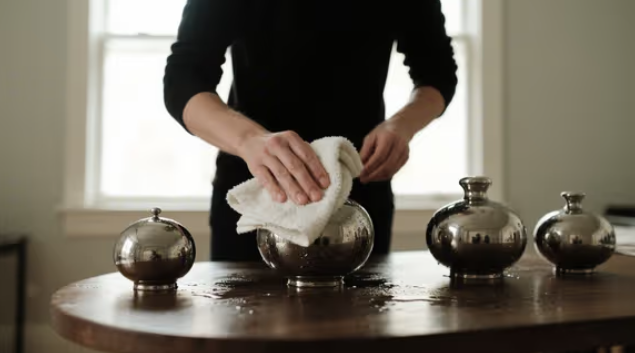
Nickel plating involves electrochemically depositing a layer of pure nickel onto a metal substrate. This process creates a durable, corrosion-resistant surface that also provides an attractive silvery-white finish. The thickness typically ranges from 0.0001 to 0.005 inches depending on the application.
Industrial applications often use nickel plating for:
Protecting against corrosion in harsh environments
Improving wear resistance in moving parts
Creating a base layer for additional coatings
Proper nickel plating maintenance requires specific tools and solutions. Using the wrong materials can permanently damage the finish or accelerate tarnishing.
Solution Type | Best For | Concentration |
Mild dish soap | Regular cleaning | 1-2% solution |
White vinegar | Tough tarnish | 50% diluted |
Commercial metal polish | Deep cleaning | As directed |
Soft microfiber cloths are essential to prevent scratching the nickel surface. For intricate designs, use soft-bristle brushes. Cotton swabs work well for reaching tight spaces without damaging the plating.
Regular maintenance prevents buildup that requires aggressive cleaning later. Follow these steps to safely restore your nickel-plated items to their original luster.
First, remove loose dirt with a dry, soft cloth. For heavily soiled items, rinse with lukewarm water to loosen debris. Avoid sudden temperature changes that could stress the plating.
For routine cleaning:
Mix mild soap with warm water
Gently wipe the surface with a soft cloth
Pay special attention to crevices where grime accumulates
For stubborn tarnish:
Apply diluted vinegar with a soft cloth
Use minimal pressure
Immediately rinse after treatment
After cleaning, thoroughly rinse with clean water to remove all cleaning residues. Dry immediately with a clean, soft towel to prevent water spots. For best results, use a separate dry microfiber cloth specifically for nickel surfaces.
With regular gentle cleaning using appropriate materials, your nickel finishes can remain bright and corrosion-free. For industrial applications requiring pure nickel components or custom titanium forging services, Aulister offers technical expertise to help you select and maintain optimal metal solutions for your specific needs.