 English
 русский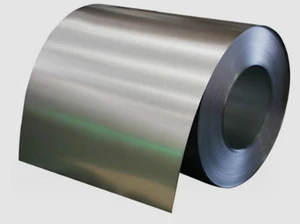
SEARCH
In extreme environments where ordinary metals fail, refractory metals maintain their integrity and performance. These specialized materials have become indispensable for modern industries operating under high temperatures, corrosive conditions, and immense mechanical stress.
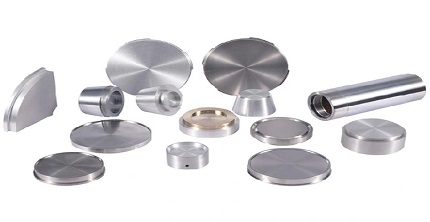
Refractory metals are a class of metallic elements with exceptionally high melting points and excellent thermal stability, primarily including tungsten, molybdenum, tantalum, niobium, and rhenium. Their unique properties make them essential for aerospace, defense, nuclear, and chemical processing applications.
While these metals share common characteristics, each offers distinct advantages that engineers leverage for specific operational demands. Understanding their differences helps select the right material for critical applications.
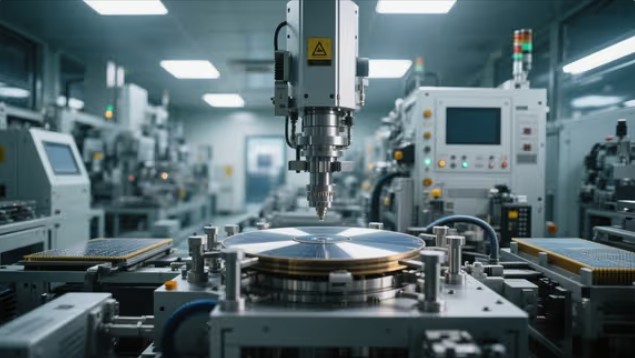
Refractory metals stand apart from conventional materials through three key attributes: thermal stability, mechanical strength, and corrosion resistance. Their melting points all exceed 2000°C, with tungsten topping the chart at 3422°C compared to steel's 1370-1510°C range.
These metals maintain structural integrity in environments that would melt or degrade ordinary alloys. Many demonstrate excellent creep resistance, meaning they resist deformation under high stress at elevated temperatures. Their unique electron configurations contribute to these remarkable properties.
While sharing the refractory classification, each metal possesses distinct characteristics that determine its industrial applications. Understanding these differences helps engineers and purchasing managers select the optimal material for specific operating conditions.
Tungsten's extreme heat resistance makes it ideal for applications like rocket nozzles and electrical contacts in high-power devices. It maintains strength at temperatures where most metals become soft, though its brittleness at room temperature requires careful engineering.
Property | Value |
Melting Point | 3422°C (highest of all metals) |
Density | 19.25 g/cm³ |
Thermal Conductivity | 173 W/m·K |
Molybdenum offers an excellent balance of strength and workability at high temperatures. Its thermal conductivity makes it popular for heat sinks and furnace components. Many nuclear applications utilize molybdenum alloys for their radiation resistance properties.
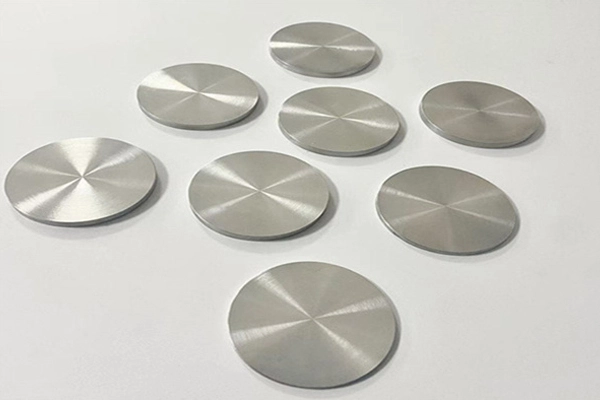
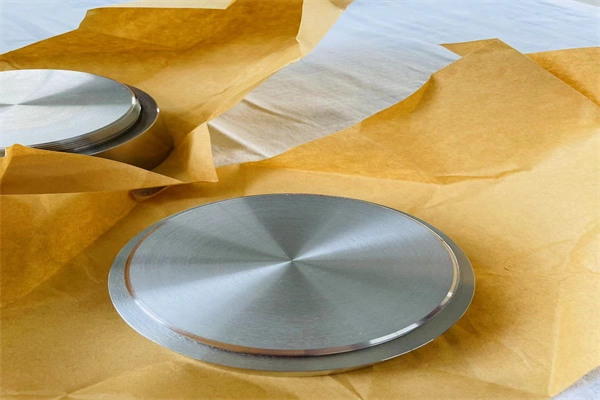
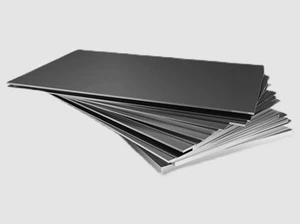
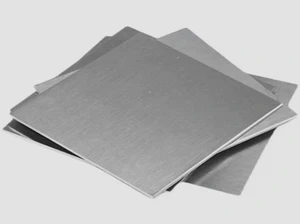
Tantalum sheet material demonstrates outstanding resistance to virtually all acids at temperatures below 150°C. This makes it invaluable for chemical processing equipment, medical implants, and capacitor production. Its biocompatibility further expands medical applications.
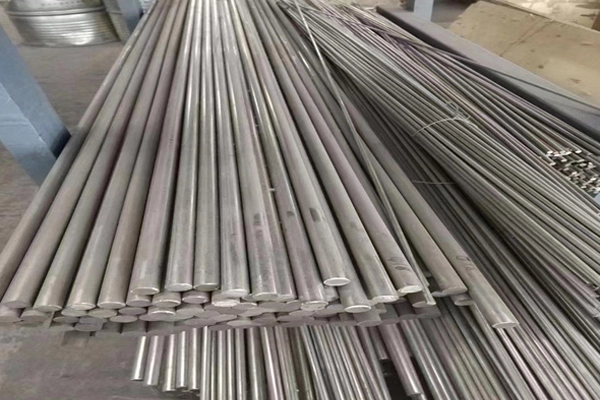
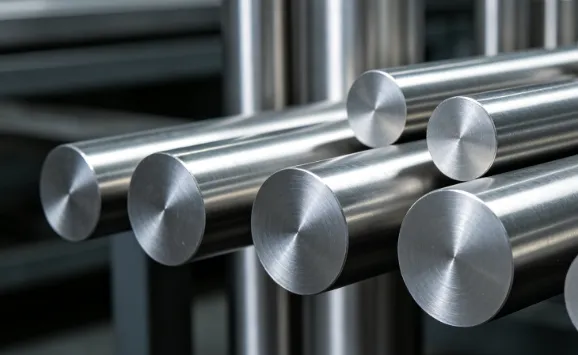
Niobium bar stock provides remarkable strength-to-weight ratios while maintaining excellent formability. Superconducting applications extensively use niobium alloys, and its addition to steel creates high-strength, low-alloy variants for pipeline and structural applications.
As one of Earth's rarest metallic elements, rhenium enhances other refractory metals' high-temperature properties. Jet engine components often incorporate rhenium alloys for their ability to withstand extreme thermal cycling without cracking or deforming.
These metals' unique properties translate into critical industrial solutions. Many manufacturers specifically source tantalum sheet and niobium bar products for harsh chemical environments and aerospace applications where failure isn't an option.
Refractory metals commonly appear in:
Rocket and missile components
Nuclear reactor parts
Semiconductor manufacturing equipment
Medical devices and implants
High-temperature furnace construction
Each application leverages specific characteristics of these remarkable materials to solve engineering challenges that conventional metals cannot address.
Refractory metals represent some of the most technologically important materials in modern engineering. Their extreme performance characteristics enable breakthroughs across multiple industries, from space exploration to medical technology. Aulister's expertise in these specialized materials helps clients navigate the complexities of material selection and application engineering for refractory metal solutions.