 English
 русский
SEARCH
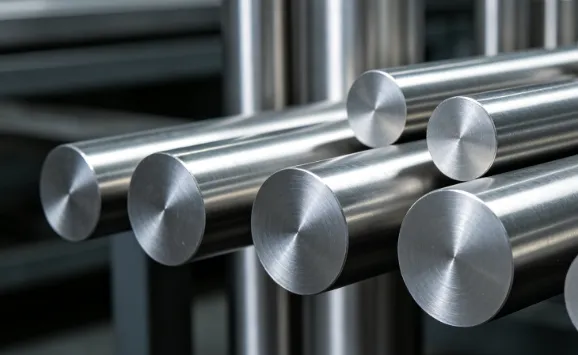
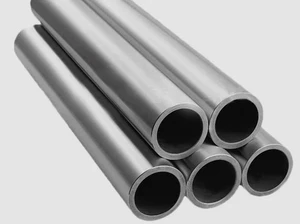
Non‑ferrous metal components made of titanium and tantalum are widely adopted for vacuum chambers, etching tooling, gas pipelines and ion‑implantation parts in high‑end semiconductor equipment. As China’s industrial base for rare metals, Baoji enjoys inherent supply‑chain advantages in precision machining of titanium and tantalum. How semiconductor enterprises select between titanium and tantalum, as well as the core quality requirements for machined parts, constitute key considerations for equipment manufacturers during material specification.
Grade 1 / Grade 2 commercially pure titanium is the primary titanium grade deployed. Its key strengths include light weight, good vacuum tightness, decent atmospheric‑corrosion resistance and moderate chemical‑corrosion resistance. Featuring relatively manageable material cost, favourable formability and reliable weldability, titanium is well‑suited for semiconductor vacuum chambers, flanges, supports and water‑cooled structural components. Nevertheless, it has notable limitations: titanium is susceptible to attack in fluorine‑containing and high‑temperature strong‑acid wet‑etch environments and cannot withstand aggressive media such as hydrofluoric acid (HF). Accordingly, titanium components are mostly applied for vacuum conditions, high‑temperature bake‑out and non‑fluorine‑based processes, making titanium a mainstream structural material for semiconductor vacuum systems.
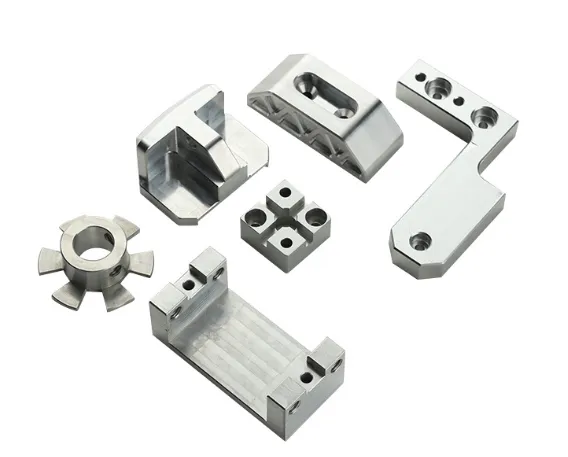
Tantalum is a rare high‑melting‑point metal with exceptional chemical stability. At ambient temperature, it is barely corroded by strong acids other than hydrofluoric acid and delivers far superior wet‑etch resistance compared with titanium. Tantalum machined parts are nearly irreplaceable for semiconductor wet cleaning, HF‑based etchant environments and strongly oxidizing process conditions. Tantalum’s drawbacks include high density, expensive raw‑material cost, challenging plastic forming and stringent welding procedures, resulting in substantially higher overall cost than titanium. It is generally specified for wafer‑etching fixtures, etch‑tank liners, corrosion‑resistant nozzles and core wetted micro‑fluid components, and is only adopted for highly corrosive service conditions.
The semiconductor industry imposes stringent consistency and cleanliness requirements on titanium and tantalum machined components, which distinguishes high‑semiconductor‑grade hardware from ordinary chemical‑process parts. First of all, raw‑material purity must be guaranteed. Semiconductor‑grade titanium and tantalum require tight control over heavy‑metal impurities such as Fe, Ni and Cr to prevent metal‑ion leaching that would contaminate wafers. High‑purity primary billets are normally selected with traceable material certification. Secondly, surface quality calls for low surface roughness to minimise particle adhesion. Certain components require polishing, pickling and passivation, free of cracks, porosity, scratches and burrs.
Dimensional accuracy represents another critical aspect. Semiconductor equipment operates with extremely tight assembly tolerances. Thin‑wall parts, special‑shaped chambers and precision flanges shall maintain stable geometric tolerances with fully‑relieved post‑machining internal stress to avoid in‑service deformation. Weld seams shall be dense and pore‑free to meet high‑vacuum leak‑detection criteria with leak rates conforming to semiconductor vacuum‑grade specifications. Furthermore, components must undergo rigorous cleanliness treatment including degreasing, acid pickling, ultrapure‑water rinsing and clean‑room packaging, so as to eliminate residual oil and dust that could generate particle contamination inside process chambers and degrade production yield.
In summary, core selection logic is as follows: titanium components are preferred for vacuum, high‑temperature bake‑out and non‑fluorine‑corrosive operating conditions; tantalum components take priority for wafer‑contact parts exposed to wet‑process severe corrosion and hydrofluoric‑acid‑containing media. Leveraging the local titanium‑tantalum industrial chain, rare‑metal manufacturers in Baoji provide one‑stop delivery covering high‑purity billets, precision CNC machining, surface treatment and clean‑room packaging. They strictly satisfy the demanding semiconductor high‑end‑equipment standards for material purity, precise dimensions, cleanliness and corrosion resistance, supporting the domestic‑manufacturing drive for semiconductor equipment.