 English
 русский
SEARCH
As a global hub for non-ferrous metals production, China supplies a large proportion of the world’s copper, aluminum, zinc, nickel, and rare earth products to international buyers. While most Chinese manufacturers adhere to strict quality standards—many aligning with international norms such as ISO standards and translating key national standards into English—quality discrepancies can still arise due to factors like production process variations, miscommunication on specifications, or inconsistent quality control. For international buyers, knowing how to effectively address these issues is crucial to minimizing losses, protecting business interests, and maintaining smooth supply chain operations.
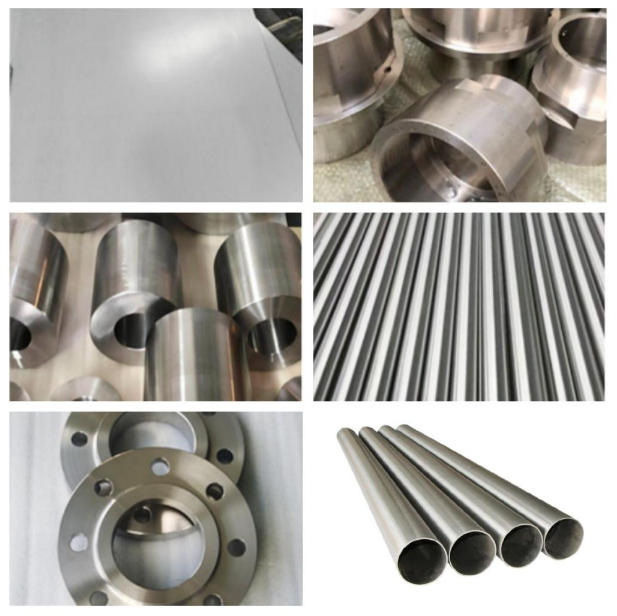
The first and most fundamental step when encountering quality problems is to document and verify the issues thoroughly. Upon receiving the goods, conduct a detailed inspection immediately and record all discrepancies between the received products and the agreed-upon specifications (e.g., chemical composition, mechanical properties, dimensional accuracy, or surface finish). It is highly recommended to engage a reputable international third-party inspection agency such as SGS or BV to conduct an authoritative test and issue a formal inspection report. This report serves as critical evidence, as it objectively confirms the quality defects and their severity—whether they are minor cosmetic issues, major functional flaws, or critical safety hazards.
Next, initiate timely and constructive communication with the supplier. Present the inspection report and detailed evidence (including photos, videos, and test data) to the supplier in writing, clearly stating the quality issues and referencing the relevant clauses in your purchase contract. China’s non-ferrous metal industry has a well-established standard system, with many national standards (such as GB/T 5237 for aluminum profiles and GB/T 1196 for aluminum ingots) translated into English and recognized in international trade. You can reference these standards, along with any agreed-upon international standards (ISO, ASTM, etc.), to support your claims. Maintain a professional and calm tone, focusing on finding a mutually acceptable solution rather than assigning blame—options may include reworking defective products, replacing non-conforming goods, offering a reasonable price discount proportional to the defects, or arranging a full refund for severe cases.
If direct negotiation with the supplier fails to reach a satisfactory resolution, leverage contractual terms and legal channels. Your purchase contract should be the cornerstone of your rights protection; ensure it clearly specifies quality standards, inspection procedures, dispute resolution mechanisms, and liability for non-compliance. According to the United Nations Convention on Contracts for the International Sale of Goods (CISG) and Chinese commercial law, buyers have the right to claim compensation if goods do not meet the agreed quality requirements, provided they notify the supplier within a reasonable time. For disputes involving large sums, you can seek assistance from professional commercial mediation institutions—this approach is often faster and more cost-effective than litigation, while also preserving the possibility of future cooperation with the supplier. If mediation fails, arbitration or litigation can be pursued, with the third-party inspection report and contract serving as key evidence.
Prevention is always better than cure, and taking proactive measures can significantly reduce the risk of quality issues. Before finalizing a supplier, conduct a thorough due diligence check, including verifying their production capabilities, quality control systems, and compliance with international standards. Many Chinese non-ferrous metal manufacturers participate in international standardization work, and some have obtained international certifications, which can serve as reliable references. Additionally, specify pre-shipment inspection in the contract—this allows you to identify and address quality problems before the goods are shipped, avoiding the cost and hassle of post-delivery disputes.
China’s non-ferrous metal industry is continuously advancing in standardization and quality management, with over 240 international standards converted into national standards and more than 40 national standards published in English. For international buyers, encountering quality issues is not an insurmountable obstacle—by following these steps, you can effectively resolve disputes, protect your interests, and build long-term, trustworthy cooperation with Chinese suppliers. With proper preparation, clear communication, and a firm grasp of your rights, you can navigate the Chinese non-ferrous metal market with confidence.