 English
 русский

SEARCH
As a critical component in high-tech thin film deposition, tantalum (Ta) targets have gained widespread recognition in semiconductor, optical, energy, and medical industries, thanks to their unique combination of physical, chemical, and mechanical properties. Unlike ordinary metal targets, tantalum targets deliver unparalleled performance in harsh working environments, making them an irreplaceable choice for advanced manufacturing and research applications.
One of the most prominent advantages of tantalum targets is their exceptional high-temperature stability. With a melting point of approximately 3017°C, tantalum maintains its structural integrity even under the extreme heat generated during physical vapor deposition (PVD) and sputtering processes, which is essential for ensuring consistent film quality and target durability throughout production cycles. This high thermal stability also makes them suitable for use in cyclotron target bodies and high-temperature industrial equipment, where other materials would degrade or fail.
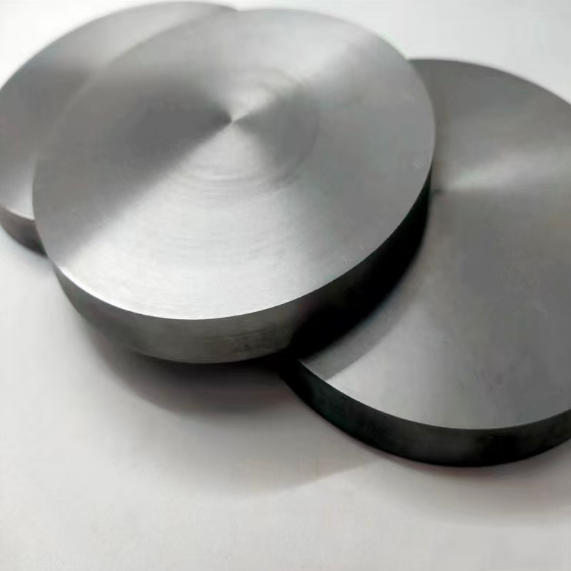
Superior corrosion resistance and chemical inertness are another key strength of the tantalum target. Tantalum is highly resistant to corrosion by most acids, alkalis, and reactive substances, even in aggressive environments, which prevents target contamination and ensures the purity of the deposited thin films. In semiconductor manufacturing, this inertness is crucial for forming reliable diffusion barrier layers (Ta/TaN) that prevent copper diffusion into silicon substrates, protecting the performance and longevity of microchips and integrated circuits.
Tantalum targets also excel in purity and structural uniformity, which are vital for high-precision thin film deposition. Available in purities ranging from 99.95% (3N5) to 99.999% (5N), they minimize impurity-related defects in the deposited films, ensuring optimal electrical and optical performance. Advanced manufacturing processes enable precise control over grain size and texture uniformity across the target thickness, eliminating texture banding and ensuring consistent sputtering performance, which is particularly important for next-generation semiconductor nodes and high-resolution optical coatings.
Excellent electrical and thermal conductivity further enhances the value of tantalum targets. Their low electrical resistance and efficient heat transfer capabilities contribute to uniform film deposition, reduce energy consumption during sputtering, and extend target service life. In applications such as capacitors, tantalum thin films deposited from these targets offer high capacitance, stability, and long service life, making them ideal for high-end electronics, aerospace, and implantable medical devices.
Additionally, tantalum targets are highly versatile and compatible with various sputtering systems and deposition processes, including PVD and reactive PVD. They are widely used in semiconductor manufacturing (for DRAM, 3D-NAND, and CMOS processes), optical coating (for high-refractive-index films and protective layers), energy devices (solar cells, fuel cells), and chemical processing equipment, adapting to diverse industry needs with customizable configurations. Many manufacturers also offer recycling programs for tantalum targets, supporting sustainability and reducing overall cost of ownership.
In summary, tantalum targets stand out for their high-temperature stability, superior corrosion resistance, high purity, excellent conductivity, and versatility. These advantages make them a cornerstone material in advanced thin film deposition, driving innovation in high-tech industries and delivering reliable, high-performance solutions for the most demanding applications.