 English
 русский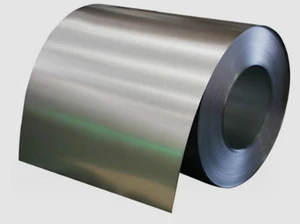
SEARCH
Zirconium alloys play an important role in nuclear-related industries because of their corrosion resistance, thermal stability and low neutron absorption characteristics. In demanding nuclear environments, material selection is not only about strength. Engineers and buyers also need to consider long-term stability, compatibility with process media, fabrication performance, dimensional accuracy and reliable material quality.
For companies involved in nuclear-related equipment, research facilities, chemical processing systems or advanced industrial projects, zirconium materials may be required in different forms such as plate, rod, tube, sheet and customized machined parts. Understanding how zirconium alloys are used and how to select the right material form can help buyers make more reliable procurement decisions.
The value of zirconium alloys in nuclear applications comes from their unique balance of corrosion resistance, heat resistance and nuclear-related material performance. In many demanding environments, ordinary metals may face corrosion, oxidation or stability problems, while zirconium materials can provide better resistance under specific operating conditions.
Another important reason is that zirconium has low neutron absorption compared with many other structural metals. This property makes zirconium and zirconium alloys useful in nuclear-related engineering where material behavior under neutron exposure is an important consideration. At the same time, zirconium materials can also offer good mechanical strength and fabrication performance when the correct grade and product form are selected.
However, buyers should note that nuclear projects often have strict material standards, inspection requirements and documentation procedures. When selecting zirconium materials for nuclear-related applications, it is important to confirm the grade, standard, test report, surface condition and supplier capability before purchasing.
In nuclear-related environments, zirconium materials are selected for a combination of functional properties rather than a single advantage. A suitable zirconium alloy should support stable performance under demanding operating conditions while meeting the project’s processing and inspection requirements.
Low neutron absorption: Important for nuclear-related applications where neutron interaction must be considered.
Corrosion resistance: Useful in chemical, high-purity and demanding process environments.
Thermal stability: Helps maintain material reliability under elevated temperature conditions.
Mechanical performance: Supports structural and machined components depending on the selected grade.
Fabrication ability: Important for cutting, machining, forming, welding and final component production.
Material documentation: Test reports and certificates are often required for project approval and quality control.
Different zirconium grades are selected according to corrosion environment, mechanical strength requirements and project standards. Commercially pure zirconium and zirconium alloy grades may be used in different industrial and nuclear-related applications.
| Grade | Material Type | Main Features | Typical Selection Reason |
|---|---|---|---|
| Zr702 | Commercially pure zirconium | Excellent corrosion resistance, good fabrication performance | Often selected for corrosion-resistant equipment and industrial processing environments |
| Zr704 | Zirconium alloy | Balanced corrosion resistance and mechanical properties | Suitable for project-specific industrial applications |
| Zr705 | Zirconium-niobium alloy | Higher strength than commercially pure zirconium | Used when better mechanical strength is required |
| Zr706 | Zirconium alloy | Special alloy grade for selected applications | Chosen according to drawing, standard and operating environment |
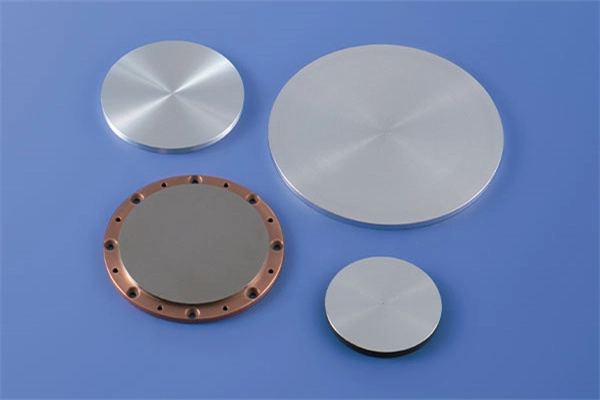
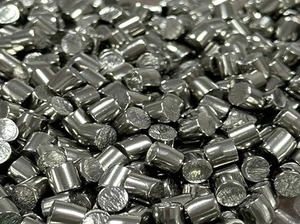
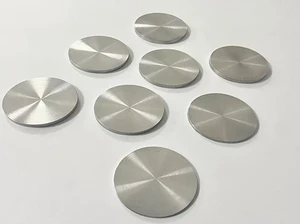
Zirconium alloys in nuclear applications may be supplied in multiple product forms. The right form depends on the final component design, machining method, installation environment and performance requirements. Plates are often selected for fabricated structures, corrosion-resistant equipment and flat components, while rods are suitable for machining, fasteners, shafts, pins and precision components.
For buyers sourcing zirconium bar or rod materials for machining and project supply, Aulister provides zirconium rod for sale in different specifications based on application requirements. Rod materials can be further processed into customized parts, connectors, structural elements or precision components for nuclear-related and high-performance industrial projects.
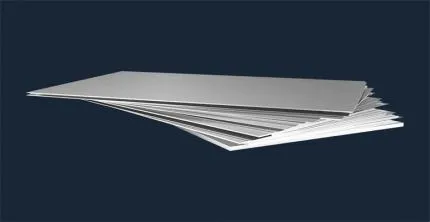
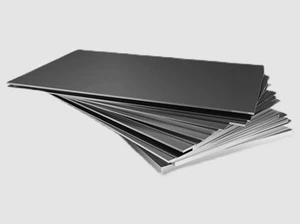
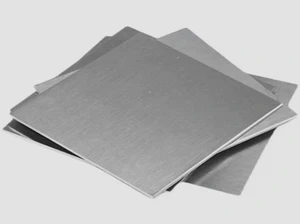
Zirconium plate is also widely used in corrosion-resistant equipment, heat exchangers, pressure vessels, containers and industrial systems. When plate materials are required, buyers should confirm grade, thickness, width, length, tolerance, surface finish and applicable standard before ordering.
Selecting zirconium materials for nuclear-related projects should begin with the working environment and final component function. Buyers need to understand whether the material will be used for structural support, corrosion-resistant equipment, machined components, research systems or process-related parts.
The grade should be selected according to corrosion resistance, strength and fabrication requirements. For example, Zr702 is commonly considered when corrosion resistance and fabrication performance are important, while Zr705 may be considered where higher mechanical strength is required. If the project involves specific standards or drawings, the supplier should confirm whether the requested material can meet the technical requirements.
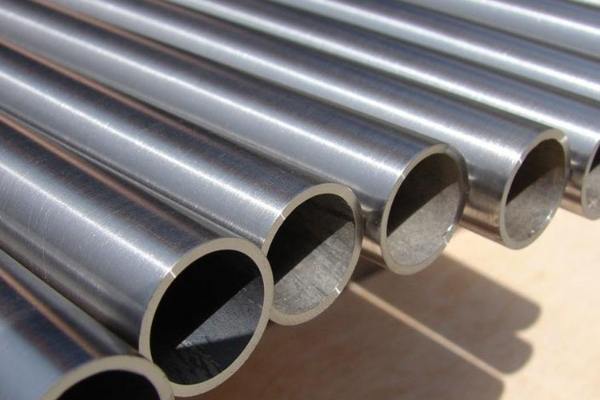
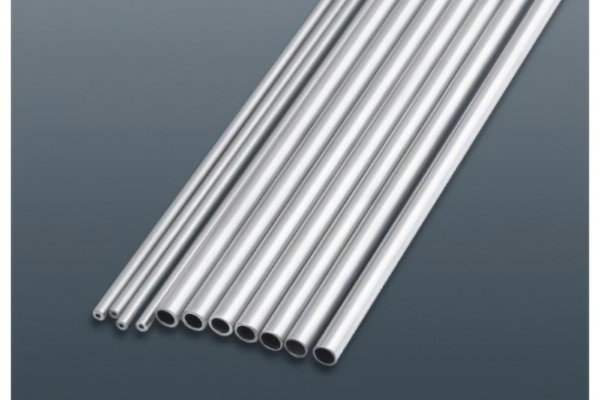
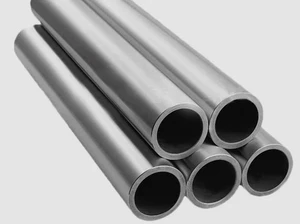
Product form is another key factor. Plates, rods, tubes and customized materials serve different manufacturing needs. For precision machining, rods and bars are often more suitable. For welded or fabricated equipment, plates and sheets may be more practical. For systems involving fluid transfer or tubular structures, zirconium tubes may be required.
Nuclear-related projects usually require a more careful purchasing process than ordinary industrial material orders. Buyers should not only compare price, but also check the supplier’s ability to provide consistent quality, technical communication and supporting documents.
Required zirconium grade, such as Zr702, Zr704, Zr705 or project-specific alloy grade
Product form, including plate, rod, tube, sheet or custom machined material
Size, tolerance, surface finish and cutting requirements
Applicable standard, such as ASTM or ASME requirements when needed
Material certificate, inspection report and project documentation
Quantity, packaging, delivery schedule and export requirements
Application environment, corrosion medium and operating temperature
If zirconium plate is required for corrosion-resistant equipment or nuclear-related industrial systems, buyers should compare not only product availability, but also grade options, customization ability and documentation support. Working with experienced zirconium plate suppliers can help reduce specification mistakes and improve procurement efficiency.
In practical procurement, zirconium plate and zirconium rod often support different project needs. Zirconium plate is more suitable for flat components, fabricated equipment, corrosion-resistant linings, containers and structural parts. Zirconium rod is more suitable for turning, milling, CNC machining and the production of small precision parts.
For nuclear-related industries, both material quality and supplier communication are important. A buyer may need support in selecting the correct grade, confirming the required specification, preparing documentation and matching the material to the final application. This is why a supplier’s technical understanding and customization ability can be as important as product availability.
Zirconium alloys are used in nuclear applications because they offer low neutron absorption, corrosion resistance, thermal stability and reliable material performance under demanding conditions. These properties make them suitable for selected nuclear-related and high-performance industrial environments.
Zr702 is commonly selected when corrosion resistance and fabrication performance are key requirements. It is commercially pure zirconium and is often used in chemical processing equipment, heat exchangers, pressure vessels and corrosion-resistant industrial systems.
Zirconium rod can be used for machining precision components, connectors, pins, shafts and other parts where zirconium material properties are required. Buyers should confirm grade, diameter, tolerance, surface condition and inspection documents before ordering.
Buyers should provide grade, product form, size, quantity, tolerance, surface finish, applicable standard, delivery destination and any testing or documentation requirements. If drawings are available, they should be shared with the supplier for more accurate confirmation.
Zirconium alloys in nuclear applications are selected because of their corrosion resistance, thermal stability, low neutron absorption and reliable performance in demanding environments. For industrial buyers, the most important step is not only choosing zirconium as a material, but selecting the correct grade, product form and supplier capability.
Whether the project requires zirconium plate, zirconium rod, tube or customized materials, buyers should confirm the application environment, technical standard, size requirement and documentation needs before ordering. Aulister can support zirconium material supply for nuclear-related, chemical, aerospace and advanced industrial applications based on project specifications.