 English
 русский



SEARCH
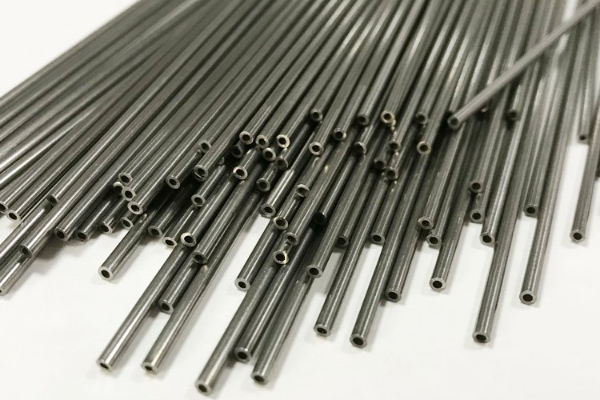
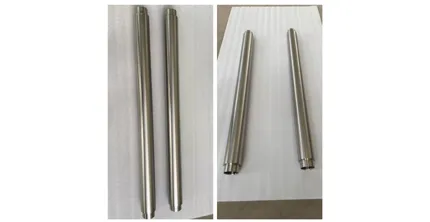
When sourcing corrosion-resistant materials for aggressive chemical environments, choosing the right supplier is often just as important as selecting the right material. Tantalum tubes are widely used in heat exchangers, condensers, reactors, and pharmaceutical processing equipment because of their exceptional resistance to corrosion and long service life. However, not all tantalum tube manufacturers offer the same level of quality, consistency, or technical support.
For procurement managers, project engineers, and OEM buyers, understanding how to evaluate tantalum tube manufacturers can significantly reduce project risks and lifecycle costs.
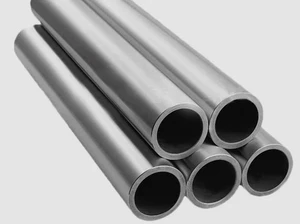
Tantalum is recognized as one of the most corrosion-resistant metals used in industrial processing. It performs exceptionally well in many highly corrosive acids and chemical environments where stainless steel, nickel alloys, and even titanium may experience limitations. Because of these properties, tantalum tubing is commonly used in chemical processing equipment, heat exchangers, condensers, and pharmaceutical manufacturing systems.
However, the performance of a tantalum tube depends not only on the material itself but also on manufacturing quality. Issues such as dimensional inconsistencies, poor weld integrity, contamination during production, or inadequate inspection procedures can affect equipment reliability and service life.
When evaluating tantalum tube manufacturers, buyers should focus on:
· Material purity and traceability
· Manufacturing capabilities
· Quality control systems
· Industry certifications
· Customization support
· Delivery reliability
A supplier with strong technical expertise can help prevent costly failures and unplanned downtime in corrosive processing environments.
The following table highlights the most important factors buyers should assess before placing an order.
Evaluation Factor | Why It Matters |
Raw Material Quality | High-purity tantalum improves corrosion resistance and consistency. |
Manufacturing Process | Advanced extrusion, drawing, and forming processes ensure dimensional accuracy. |
Inspection & Testing | Non-destructive testing, chemical analysis, and dimensional inspections verify quality. |
Custom Fabrication | Ability to produce custom diameters, wall thicknesses, and lengths reduces project constraints. |
Industry Experience | Manufacturers familiar with chemical, pharmaceutical, and semiconductor industries better understand application requirements. |
Documentation | Material certificates and inspection reports support compliance and quality assurance. |
Supply Chain Stability | Reliable lead times help prevent project delays. |
While price is always a consideration, the lowest-cost option is rarely the most economical over the lifetime of a process system. A well-manufactured tantalum tube can remain in service for many years in highly corrosive environments, reducing maintenance and replacement costs.
Experienced tantalum tube manufacturers do more than simply provide raw material. They often support customers throughout the engineering and procurement process.
Some value-added services include:
Manufacturers with metallurgical expertise can recommend appropriate tube dimensions, tolerances, and fabrication methods based on operating conditions.
Many industrial projects require non-standard tube sizes or special fabrication requirements. Manufacturers capable of custom production can reduce the need for additional machining or modification.
Comprehensive quality documentation simplifies approval processes for regulated industries such as pharmaceuticals and specialty chemicals.
Tantalum tubes are commonly used in:
· Heat exchangers
· Condensers
· Chemical reactors
· Acid handling systems
· Semiconductor manufacturing equipment
· Pharmaceutical processing systems
Because these applications often involve highly corrosive media, supplier expertise can be valuable during material selection and system design.
Even experienced procurement teams sometimes focus too heavily on initial pricing.
Some common sourcing mistakes include:
· Selecting suppliers without verifying material certifications
· Ignoring manufacturing and inspection capabilities
· Overlooking lead-time reliability
· Failing to evaluate custom fabrication experience
· Comparing suppliers solely on unit cost
In many chemical processing applications, equipment downtime can be significantly more expensive than the initial material investment. High-quality tantalum tubing often delivers better long-term value through improved reliability and reduced maintenance requirements.
Choosing among tantalum tube manufacturers requires more than comparing quotations. Buyers should evaluate material quality, manufacturing expertise, inspection standards, customization capabilities, and long-term supply reliability. The right supplier can help improve equipment performance, reduce maintenance costs, and support the success of demanding chemical processing projects.
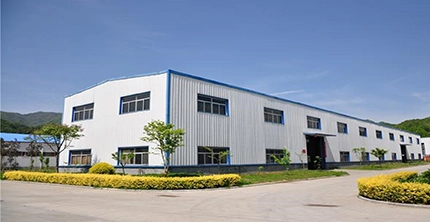
For organizations seeking a dependable source of high-quality tantalum tubes, Aulister offers precision manufacturing, strict quality control, and customized solutions tailored to industrial applications. Whether your project requires standard specifications or specialized dimensions, Aulister can provide the technical support and product consistency needed for long-term success.
Tantalum tubes are widely used in chemical processing, pharmaceuticals, semiconductor manufacturing, aerospace, and corrosion-resistant heat exchanger systems.
Tantalum forms a stable oxide layer that provides outstanding resistance to many aggressive acids and chemical media, making it ideal for demanding applications.
Manufacturers should typically provide material certificates, inspection reports, dimensional verification records, and compliance documentation relevant to customer requirements.
Yes. Many manufacturers offer customized outer diameters, wall thicknesses, lengths, and fabrication services to meet specific project requirements.
Evaluate material quality, manufacturing capabilities, inspection procedures, industry experience, technical support, delivery performance, and overall lifecycle value rather than focusing solely on price.