 English
 русский
SEARCH
Titanium isn't a one-size-fits-all material - its machining characteristics vary dramatically by grade. Wrong selections can lead to tool breakage, wasted time, and budget overruns.
The grade of titanium directly determines how it responds to cutting, forming, and finishing. Commercially pure grades (1-4) machine easily but lack strength, while high-performance alloys like Grade 5 offer superior mechanical properties at the cost of increased tool wear. Selecting the optimal grade ensures both manufacturability and application performance.
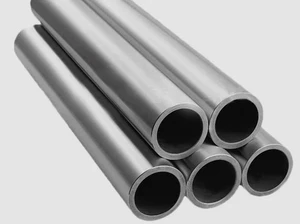
Understanding these differences is critical when sourcing from titanium tube suppliers or ordering titanium round bar. Let's examine each category's distinctive properties.
These grades contain a minimum of 99% titanium with controlled oxygen and iron content. Grade 1 offers maximum formability while Grade 4 provides moderate strength enhancement. Their key advantages include:
Excellent corrosion resistance in harsh chemicals
Superior cold working characteristics for tube forming
Good weldability without post-treatment
Low tendency to work harden during machining
We typically recommend pure grades for chemical processing equipment, heat exchangers, and marine applications where corrosion resistance outweighs strength requirements. The lower yield strength does limit their use in structural applications.

Accounting for over half of titanium usage, Grade 5-Ti6Al4V combines titanium with 6% aluminum and 4% vanadium. This creates an optimized balance of:
High strength-to-weight ratio (stronger than many steels)
Good fatigue resistance for cyclic loading
Maintained corrosion resistance
Heat treatability for enhanced properties
However, the alloying elements increase cutting forces and tool wear. Successful machining requires specialized tool geometries, rigid setups, and controlled cutting parameters to manage heat generation.
These advanced alloys achieve ultimate tensile strengths exceeding 1,200 MPa through additions like molybdenum, chromium, or zirconium. Their exceptional properties make them ideal for:
Aircraft landing gear components
High-performance automotive suspension springs
Oilfield downhole tools
Biomedical implants requiring maximum strength
The tradeoff comes in machining difficulty — expect tool life to be significantly shorter than with other titanium grades. Production often requires specialized tool coatings and aggressive cooling strategies.
The fundamental conflict in titanium machining comes from the inverse relationship between strength and ductility. Higher strength grades resist deformation better but generate more heat during cutting. Lower strength materials cut more easily but may lack required mechanical properties.
Grade 5's 6% aluminum increases strength but creates long, stringy chips that tend to adhere to cutting tools. The 4% vanadium improves high-temperature performance but accelerates abrasive tool wear through hard vanadium carbides. These effects combine to make Grade 5 machining about 60% more challenging than pure titanium grades.
These interstitial elements strengthen pure titanium by impeding dislocation movement during deformation. Grade 1 contains just 0.18% maximum oxygen, making it extremely soft and easy to machine. Grade 4's higher 0.4% oxygen content improves strength but correspondingly increases cutting forces. Similarly, iron additions above 0.5% begin to negatively impact corrosion resistance.
Selecting the appropriate titanium grade requires balancing machinability with application demands. Partnering with experienced titanium tube suppliers ensures optimal material selection for your specific requirements.