 English
 русский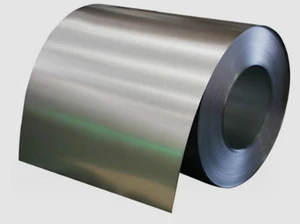
SEARCH
Titanium and tantalum are both rare precious metals featuring favorable biocompatibility and corrosion‑resistance. Nevertheless, they differ drastically in density, melting point and core properties, leading to barely overlapping application scenarios. Engineers and procurement personnel frequently confuse the two when selecting materials for industrial equipment, electronic components and medical implants. This article provides a clear comparison from three perspectives: material properties, application sectors and selection principles.
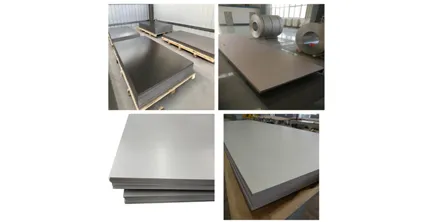
Known as the “space metal”, titanium has a density of merely 4.51 g/cm³, delivering low weight and exceptional specific strength, with a melting point of approximately 1668 °C. It forms stable passivation films in chloride‑containing environments, seawater and dilute acids at ambient temperature, and offers good machinability. Ample raw‑material supply keeps its cost far below that of tantalum. Its main drawback lies in susceptibility to passivation‑film breakdown and pitting corrosion under hot concentrated acids and reducing strong acids.
Tantalum is a refractory rare metal with a high density of 16.69 g/cm³ — more than three times that of titanium — and a melting point of 3017 °C. It boasts outstanding corrosion resistance: it withstands aqua regia, concentrated hydrochloric acid and concentrated sulfuric acid at room temperature, and is only attacked by hydrofluoric acid and strong alkalis. Its surface oxide film exhibits excellent dielectric performance, and tantalum also shows favorable osteoconductivity. Its downsides include scarce natural resources, a price typically 8‑15 times higher than titanium, and unsuitability for large‑scale structural components.
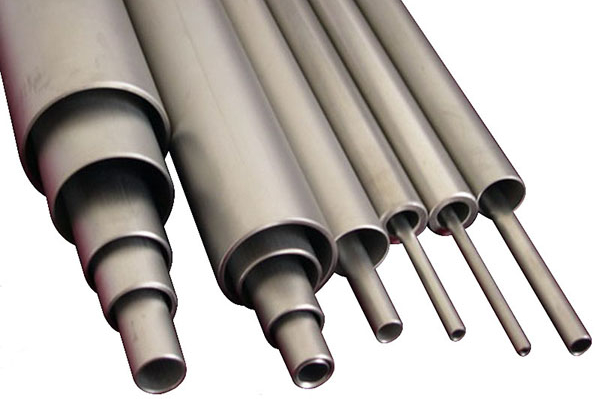
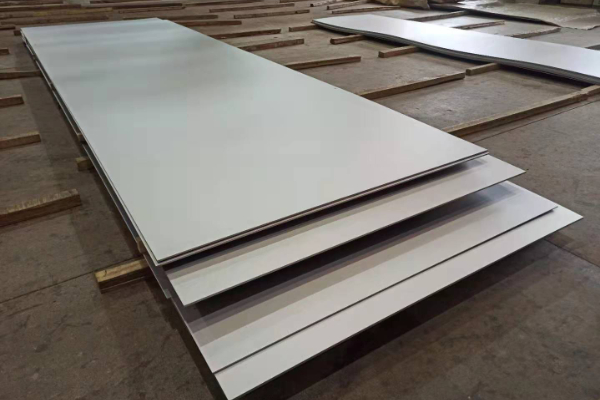
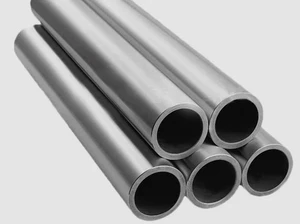
Titanium benefits from a well‑established industrial chain, serving five major downstream sectors: aerospace, ocean engineering, chemical equipment, medical devices and consumer goods. In aerospace, titanium‑alloy sheets, forgings and tubes are applied to airframe frameworks, engine parts and spacecraft pressure vessels for weight reduction and performance improvement. For ocean engineering, titanium heat exchangers, pipelines and valves are widely deployed in seawater desalination and offshore drilling platforms to resist chloride‑induced seawater corrosion. In healthcare, pure titanium and titanium alloys are commonly used for dental implants, bone plates, bone screws and conventional artificial joints. Within chemical processes, titanium suits working conditions of ambient‑temperature dilute acids and chlor‑alkali environments. In recent years, titanium has gained popularity in consumer markets, seen in titanium cups, cookware, spectacle frames and other products.
Tantalum finds its key applications in electronic components, high‑end chemical processing, semiconductors and premium orthopedic implants. Electronics represents its largest market: tantalum powder is processed into tantalum capacitors. Compact and highly reliable, these capacitors are critical components for computing hardware, deployed in servers, automotive electronics, communication base stations and smartphones. For semiconductors, tantalum targets are used for chip metallization. In chemical industries, tantalum liners, heat exchangers and valves are adopted for rectification with hot concentrated acids and high‑purity chemical‑fluid transport to avert metallic‑ion contamination. In medicine, porous tantalum serves as a premium orthopedic implant material. Its pore structure mimics human cancellous bone and achieves better bone ingrowth than titanium alloys, making it ideal for bone‑defect repair and intervertebral implants.
Core Material‑Selection Guidelines:
Choose titanium preferentially for scenarios requiring lightweight design, moderate‑to‑low corrosion resistance, constrained budgets and large structural parts. Typical cases include seawater exposure, ambient‑temperature dilute‑acid conditions, aerospace structures and standard implants.
Choose tantalum preferentially for hot concentrated strong‑acid environments, ultra‑high‑purity media, compact precision components, and high‑end orthopedic implants demanding superior osseointegration.
To sum up: titanium excels in lightweight structures under moderately corrosive conditions and fits large‑size, mass‑produced projects. Tantalum delivers extreme corrosion resistance, superior dielectric properties and premium biological performance, and is reserved for compact precision parts under harsh operating conditions. Neither material is inherently superior; suitability depends entirely on matching material performance to service requirements.